

My Taigu
By Haley Sablay ‘23, Taigu Fellow 2024-2026
In Taigu, one of my favorite places to relax is a man-made, medium-sized pond near the International Affairs Office and fellows’ houses called 思想湖 (Lake of Thought). No matter the weather, it’s a spot I peruse at least three times a week. I’ve been caught by students and friends admiring the pond’s fountain, crocheting at nearby benches, journaling under the magnolia trees, and testing my luck while tiptoeing on the layer of ice that develops during Taigu’s freezing winters. Every school semester, I can expect to find children with small nets hoping to catch fish while parents eagerly take videos. I’ll catch glimpses of couples holding hands, perched on benches while talking quietly or sitting in silence. Students will do laps around the lake, reciting information they need to memorize for their next exam. In the past two and a half years, the Lake of Thought has been one of the few places that has stayed the same, which is unique in a place that changes as often as Taigu.
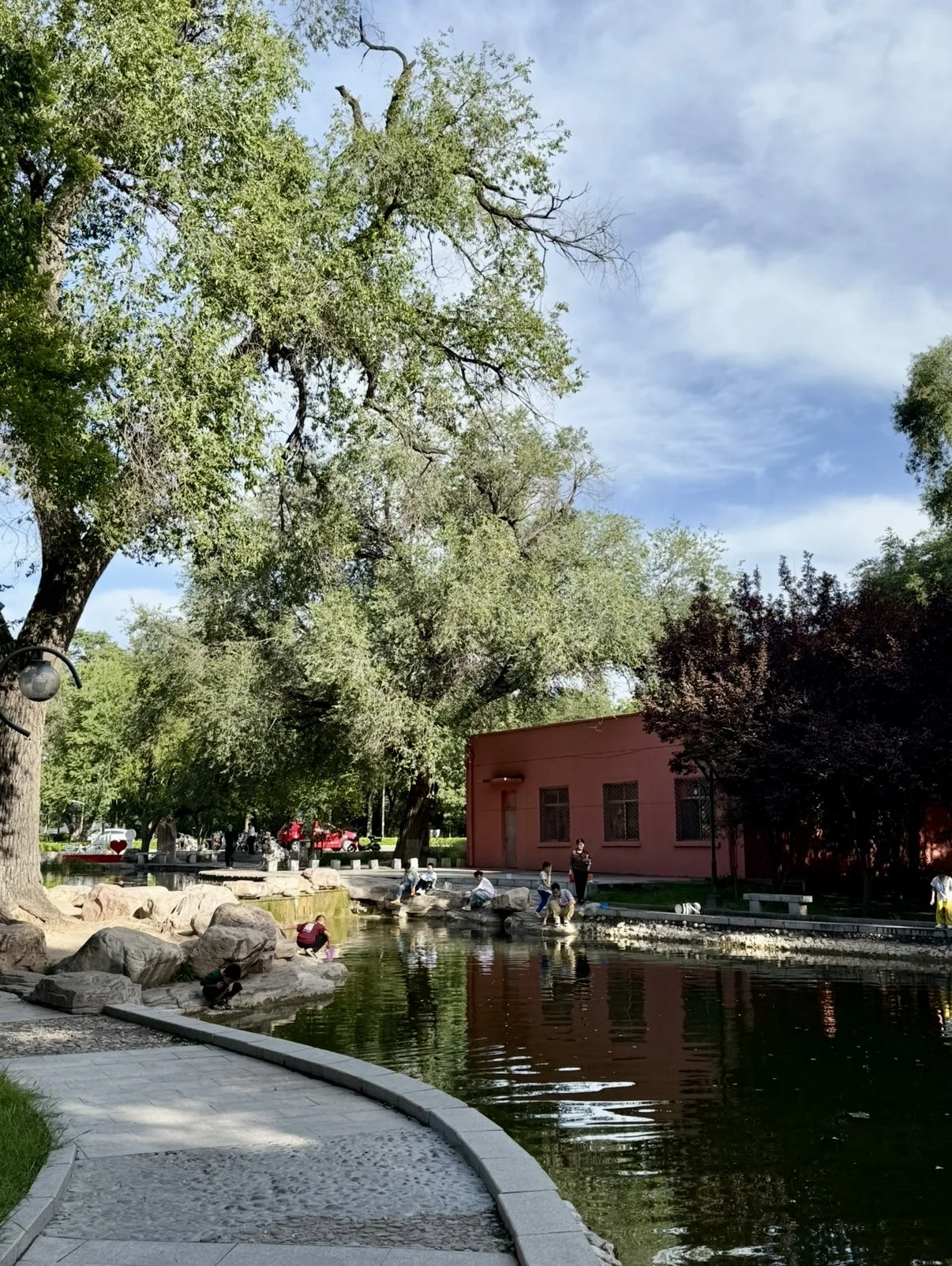
思想湖 Lake of Thought
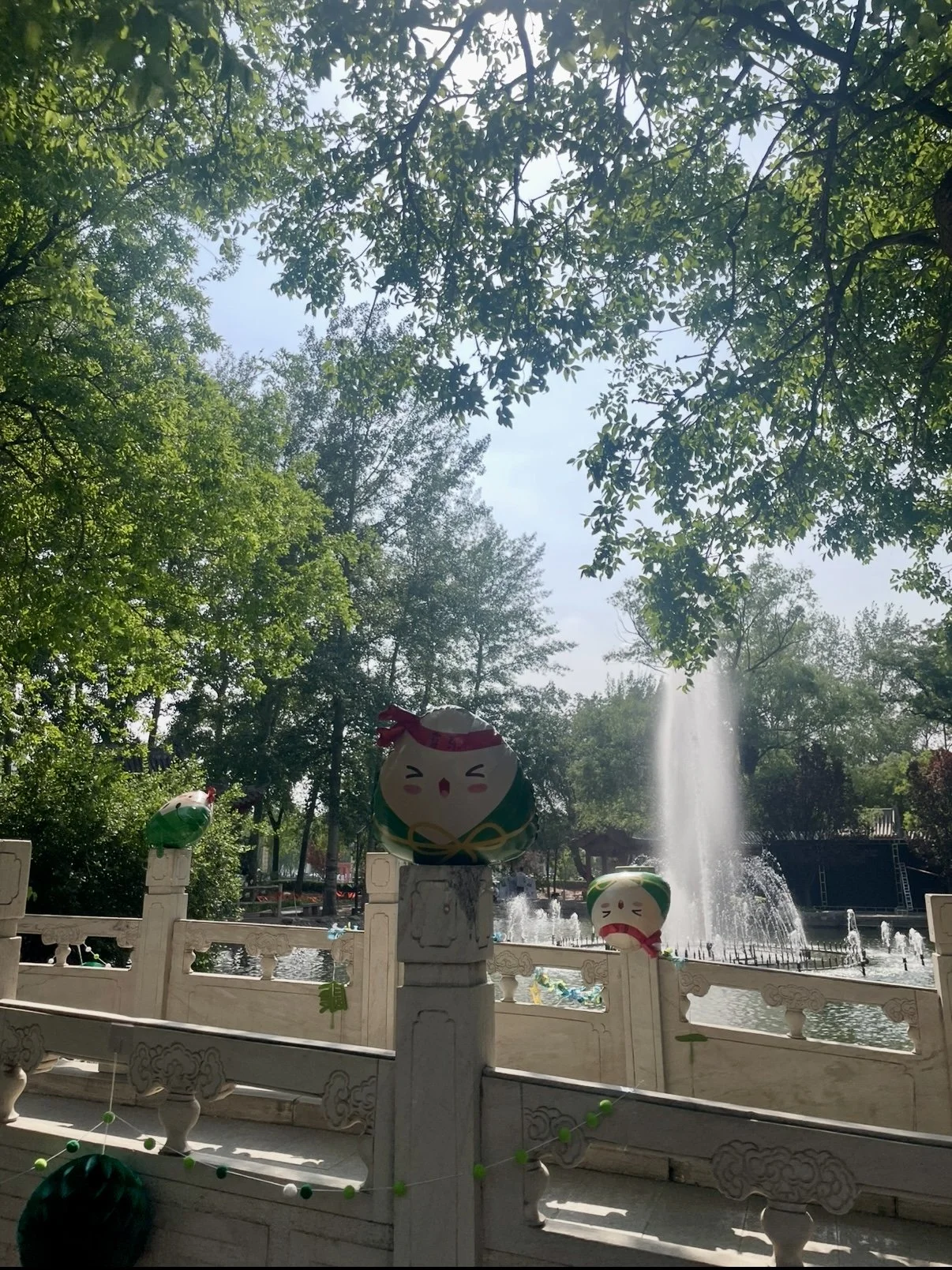
思想湖 Lake of Thought
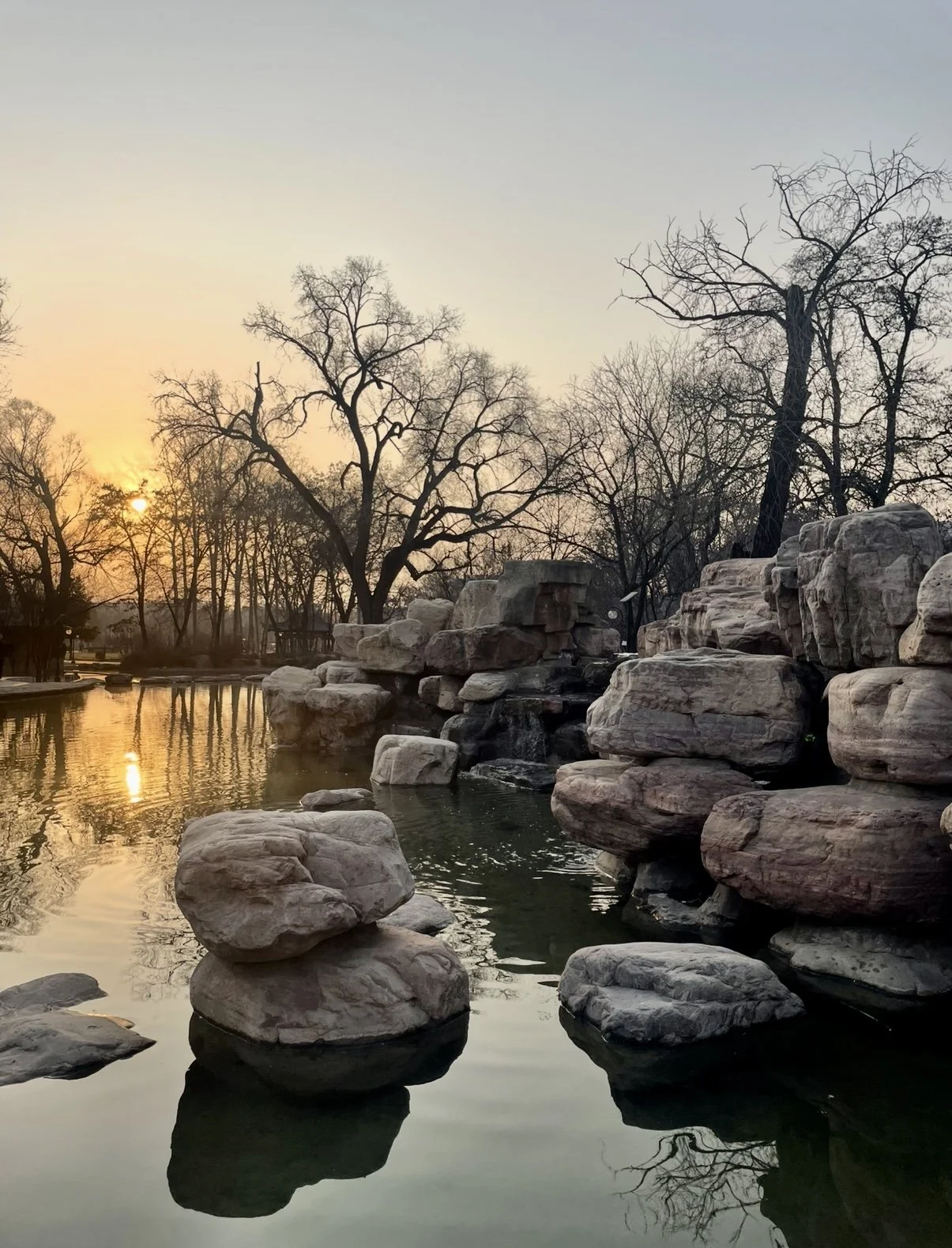
思想湖 Lake of Thought
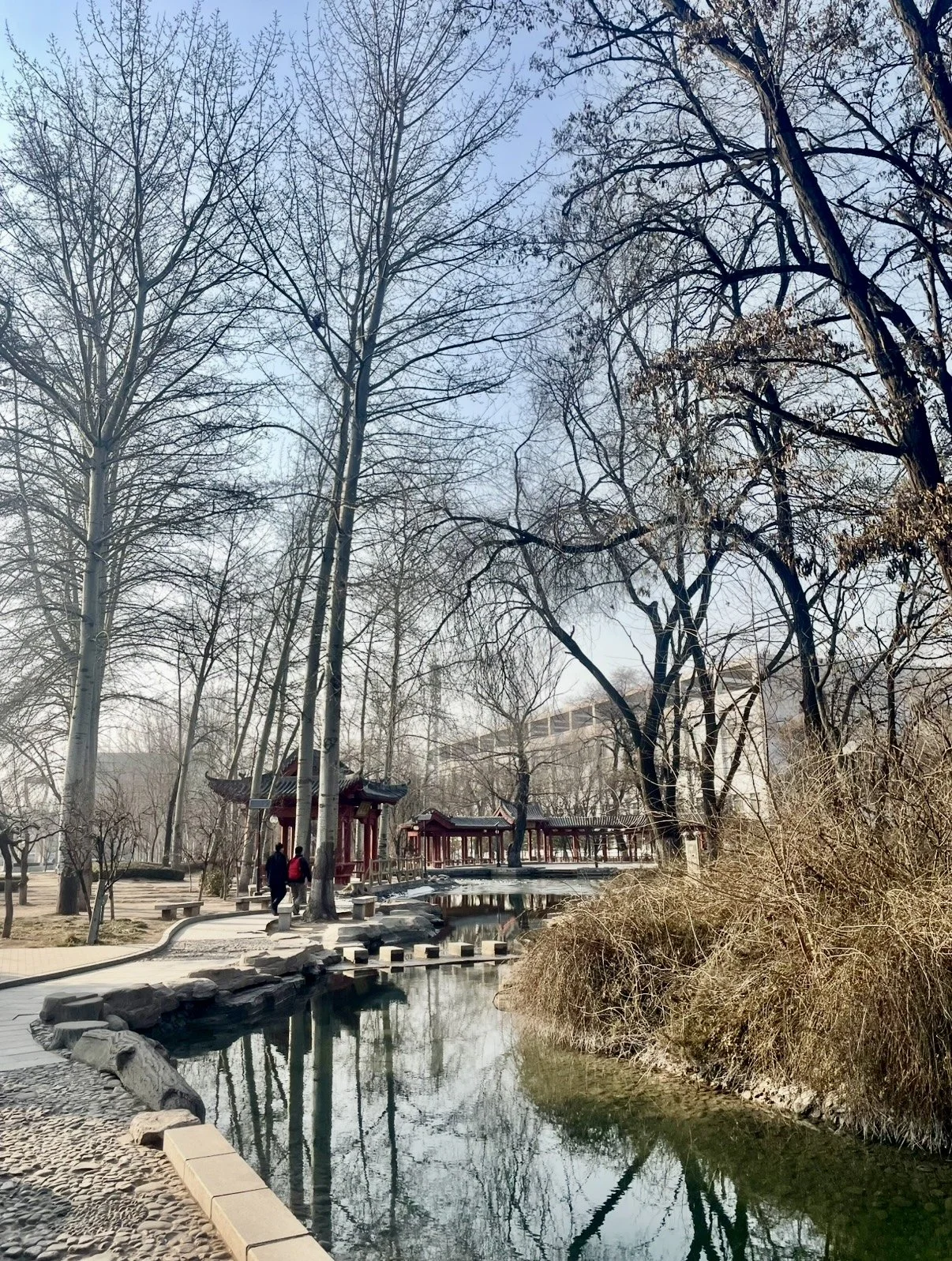
思想湖 Lake of Thought
With the passing of every summer and winter break, changes around Taigu are so common that I expect things to be slightly different upon every return. In my first year working at Shanxi Agricultural University (SXAU), my co-fellows and I returned from winter break vacation to find the small dining hall near the fellows’ houses undergoing demolition. (Now, around two years later, a new freshman dorm stands in its place.) Last fall semester, our friend and Chinese language teacher Francis transferred to the Taiyuan campus of SXAU. Our weekly lessons (which often included Shansi lore and campus gossip) were instrumental to my cultural acclimation to life in China. Most recently, this academic year, there are no one-year contract positions, and there are drastically fewer graduate classes. What was once a cohort of six teachers and upwards of 40 graduate classes has now become four teachers and one graduate class.
Outside of campus, change comes in the form of new and expanding bus routes, free bus fares, newly paved roads, closures and relocations of favorite restaurants, and construction of a giant waterslide at the base of 凤凰山 (Phoenix Mountain), among many others. The constant, fast-paced changes sometimes feel draining. The Taigu I knew when I first arrived is not the same as the Taigu I know now. The connections my previous co-fellows and I have made with places and people are not the same or only live in our collective memory. I often wonder if my current version of Taigu will be incomprehensible to future fellows. In this spiral of chilling thoughts, I remember that my current version of Taigu encapsulates the version that Dina, Tiffany, Elaine, Harper, and Mickey (my senior and “super senior” fellows) knew. Sorah and Yuji (my junior fellows or 小弟s) will carry on the version of Taigu that Nissa and I will always remember. And their junior fellows will do the same. The unique benefit of a four-person site-specific cohort ensures that in an ever-changing place like Taigu, legacies will live on with the coming generations of fellows. I have certainly inherited stories of Taigu that previous fellows experienced, the good and the bad. I am still searching for any lasting remnants of “Girl on a Bike.” I have watched Survival Chinese, a full-length movie produced by previous fellows and their friends/students, an innumerable number of times. I could probably recite the film’s script in my sleep. I am comforted by the idea that my version of Taigu matters, and my time here will undoubtedly contribute to the overall Taigu fellow experience in ways I am excited to learn about in the future.
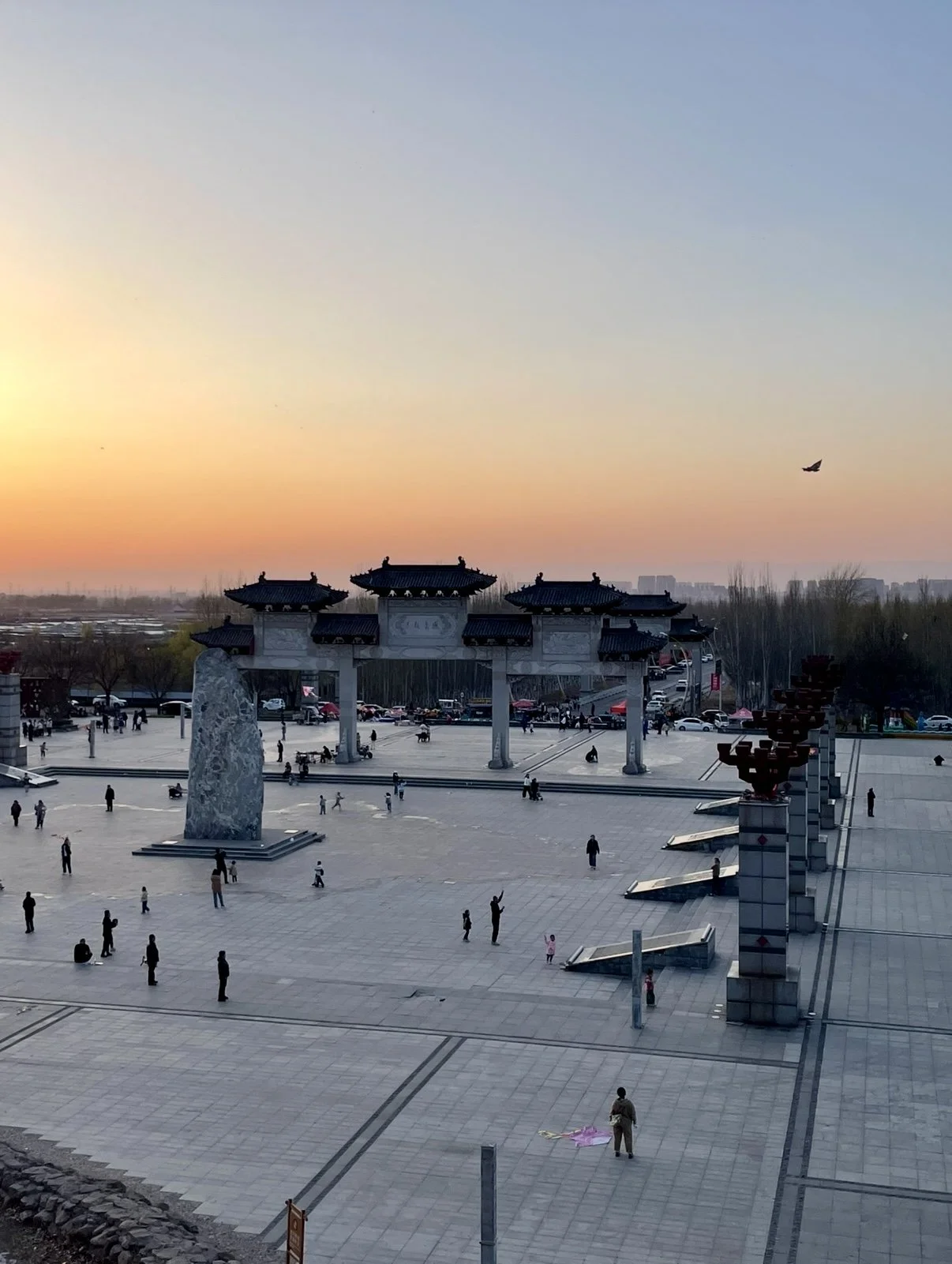
凤凰山 Phoenix Mountain
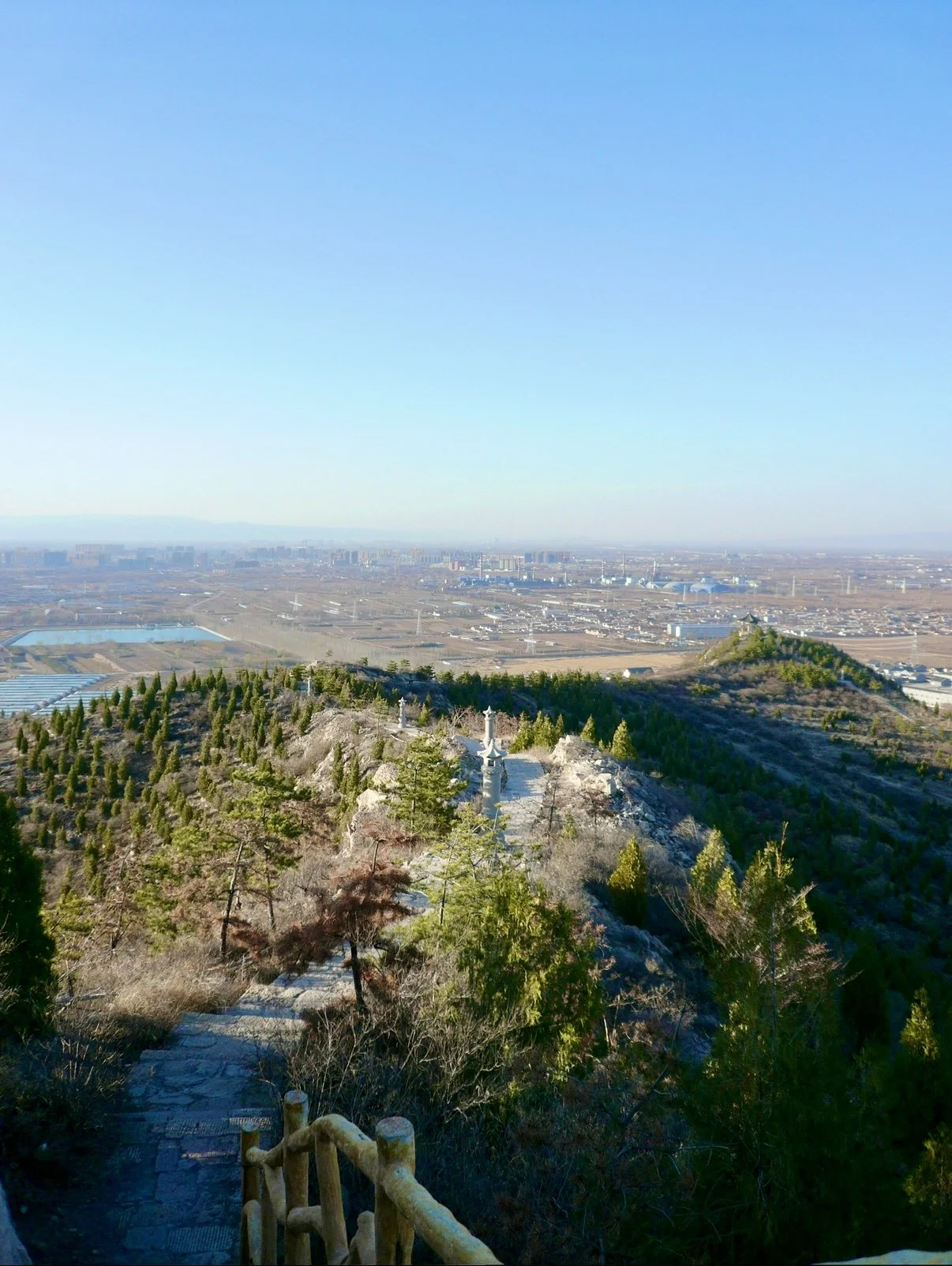
凤凰山 Phoenix Mountain
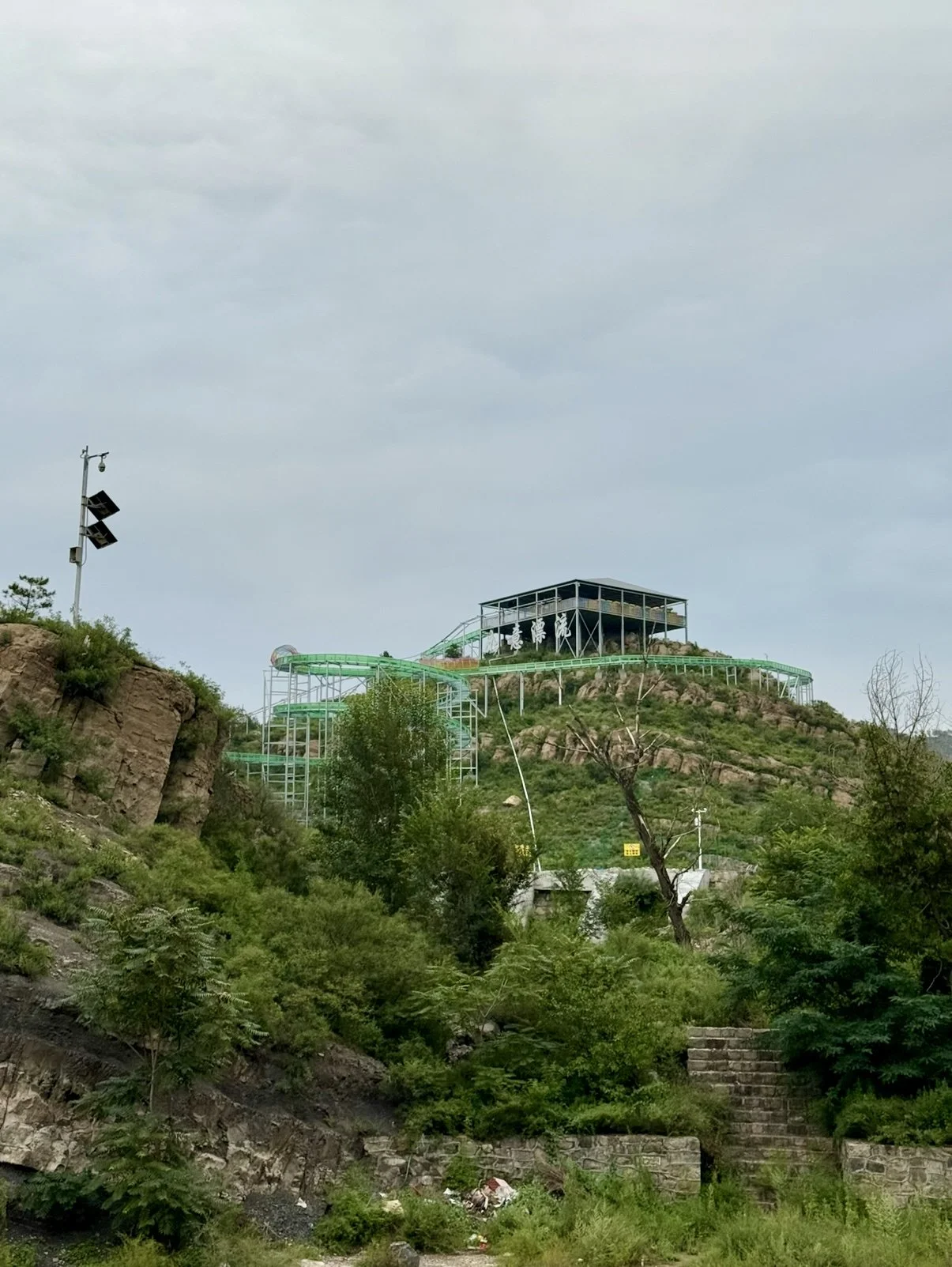
The new water slide at Phoenix Mountain
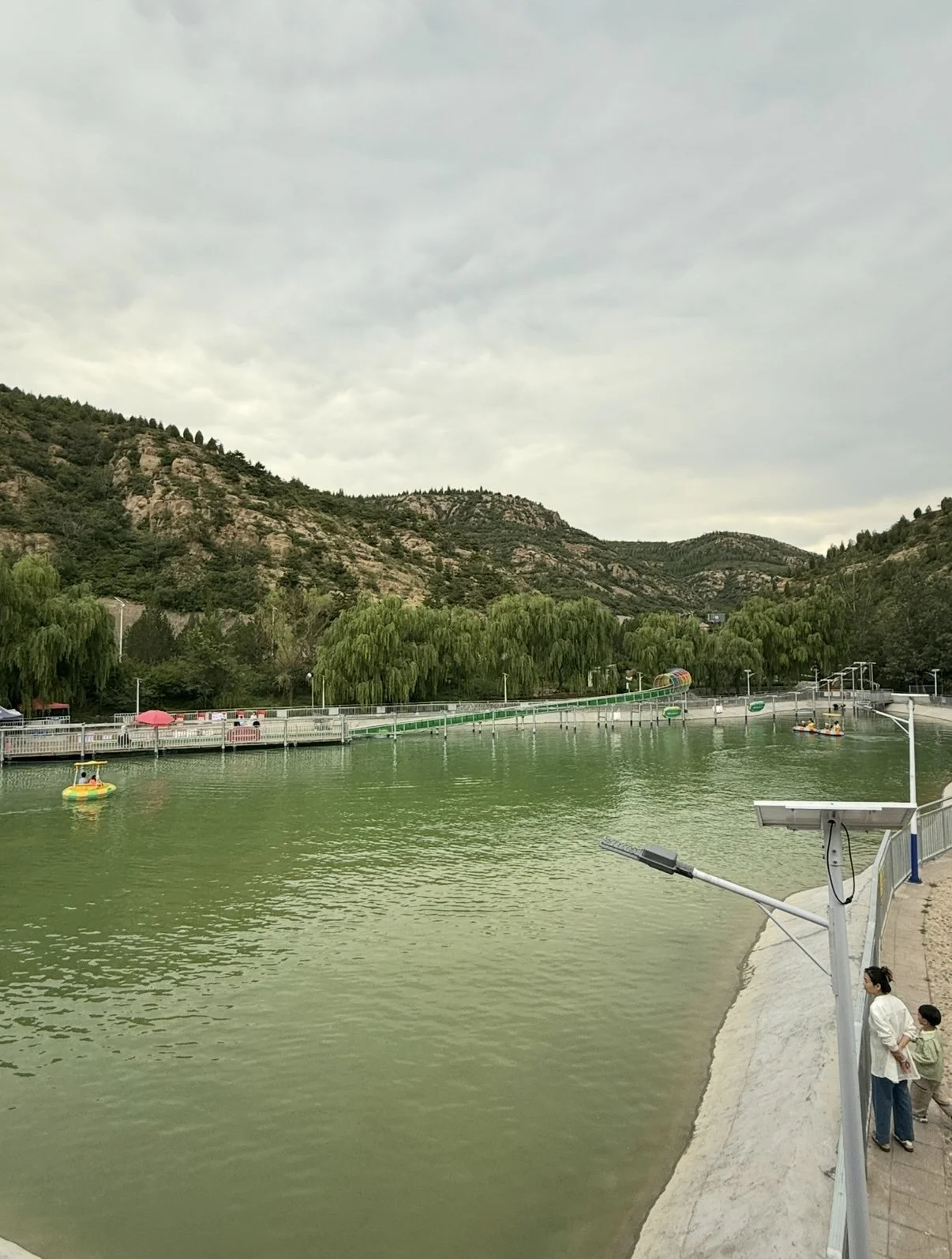
The new water slide at Phoenix Mountain
Change in Taigu also challenges me to navigate discomfort, and in these moments, I am rewarded with an expanded understanding of the community around me. When the small dining hall closed, my co-fellows and I searched for the vendors all over campus and town. In our search, though we never found the small dining hall vendors, we explored more stores and restaurants that soon became “go-to” spots. After Francis transferred to the Taiyuan campus, I attended more campus social events, joined student clubs, and cultivated friendships with professors from various departments. Pushing past my fears in social situations has given me an immensely kind and fun group of friends who are always eager to teach me about Chinese culture. The opportunity to explore more of Taigu and make lifelong friends would have never arisen if not for the discomfort of change, and more importantly, my willingness to embrace that discomfort.
In a place that feels like it evolves faster than I can keep up, I remain grounded because of the relationships I have cultivated with all my co-fellows, our friends, and the places we frequent. Care and friendship are evident in these relationships in numerous ways, but here are a few:
Most recently, the SXAU night market vendors who sell Taigu’s best hamburgers inspected my winter outfit to ensure I was properly bundled. My thick socks, long parka coat, and fuzzy scarf-wrapped head met their approval, thankfully.
I affectionately refer to the older man who often delivers water jugs to the fellows’ houses as “grandpa.” One time, he spotted me begrudgingly navigating the post-class rush and offered to drive me home on his water cart. During the commute, he asked about my family, my adjustment to life in Taigu, and wished me a merry Christmas. Another time that winter, when he delivered water to house #5, he saw that I was not wearing my inside slippers. He grabbed a random pair of slippers from beside the front door, put them by my feet, and simply said: “don’t get sick.”
This past fall semester, I grabbed dinner with Riley, one of our co-teachers at the Jinzhong Information College in Taigu, and some friends we met at the SXAU campus pool. At the restaurant, the 老板 (boss/shopkeeper) asked me several questions about my background in rapid-fire Mandarin. Our friends, Muyuan and Yansong, overheard the conversation, but only intervened when I asked for translation help. After translating, they complimented my language skills.
Last year, when instructing a group of SXAU professors for an ESL exam (PETS-5), one professor left a heartfelt note addressed to me and Tiffany, one of my senior fellows. Professor Ling wrote, “Thank you for bringing the joy of English into our classroom with your patience, creativity, and passion. Your lessons are not just about language - they’re about connection, courage, and culture. I’m truly grateful for the extra time you dedicate to helping us find our voices. May it inspire even more lively conversations!”
Last spring semester, a friend that Tiffany and I made at the SXAU campus pool sent me a text the night before his graduation. He wrote, “You’re the first foreign friend I’ve ever met and had. I believe in fate, and the fact that we met is also a kind of fate. It’s great to get to know you, and I’ve really enjoyed all our conversations.” We still text on holidays and make plans to reunite and swim together again.
On our last night in Taigu last year, Tiffany and I ate dinner and strolled around campus with two of our close friends, Tianyi and Bianfang. As we arrived at one of the campus gates, our bellies full and cheeks aching from endless laughter, we held hands and hugged. Our bittersweet goodbyes culminated in our friends calling Tiffany and me their sisters, no matter the different cultures we come from.
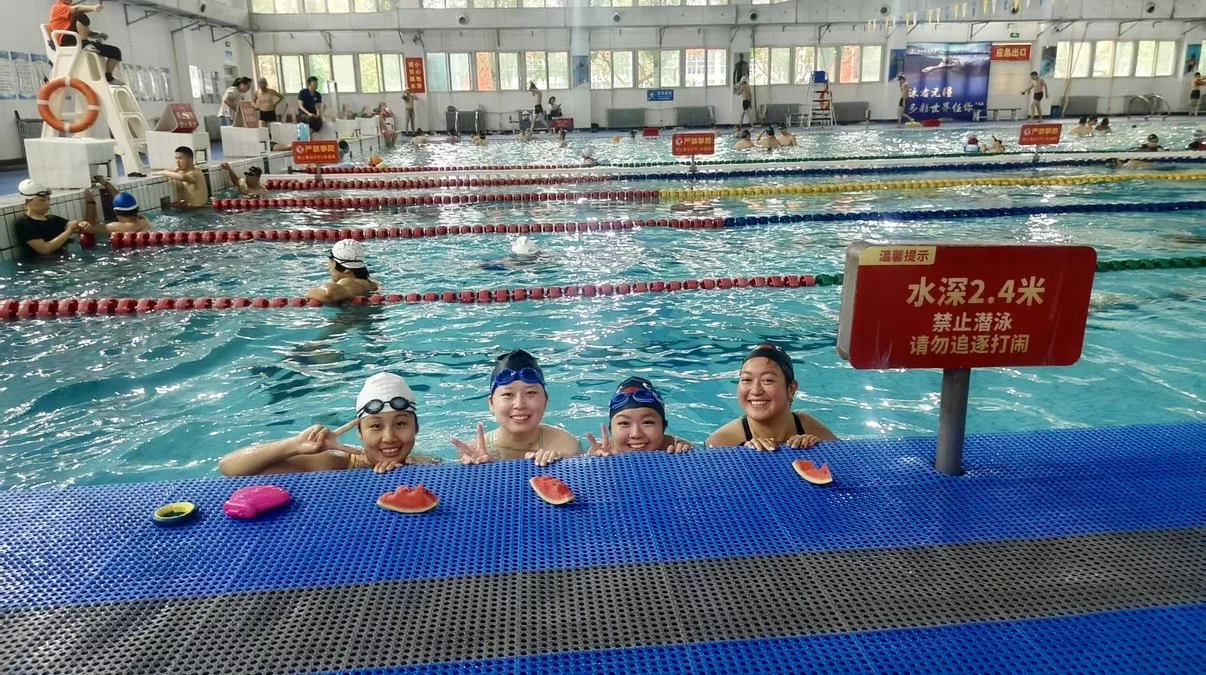
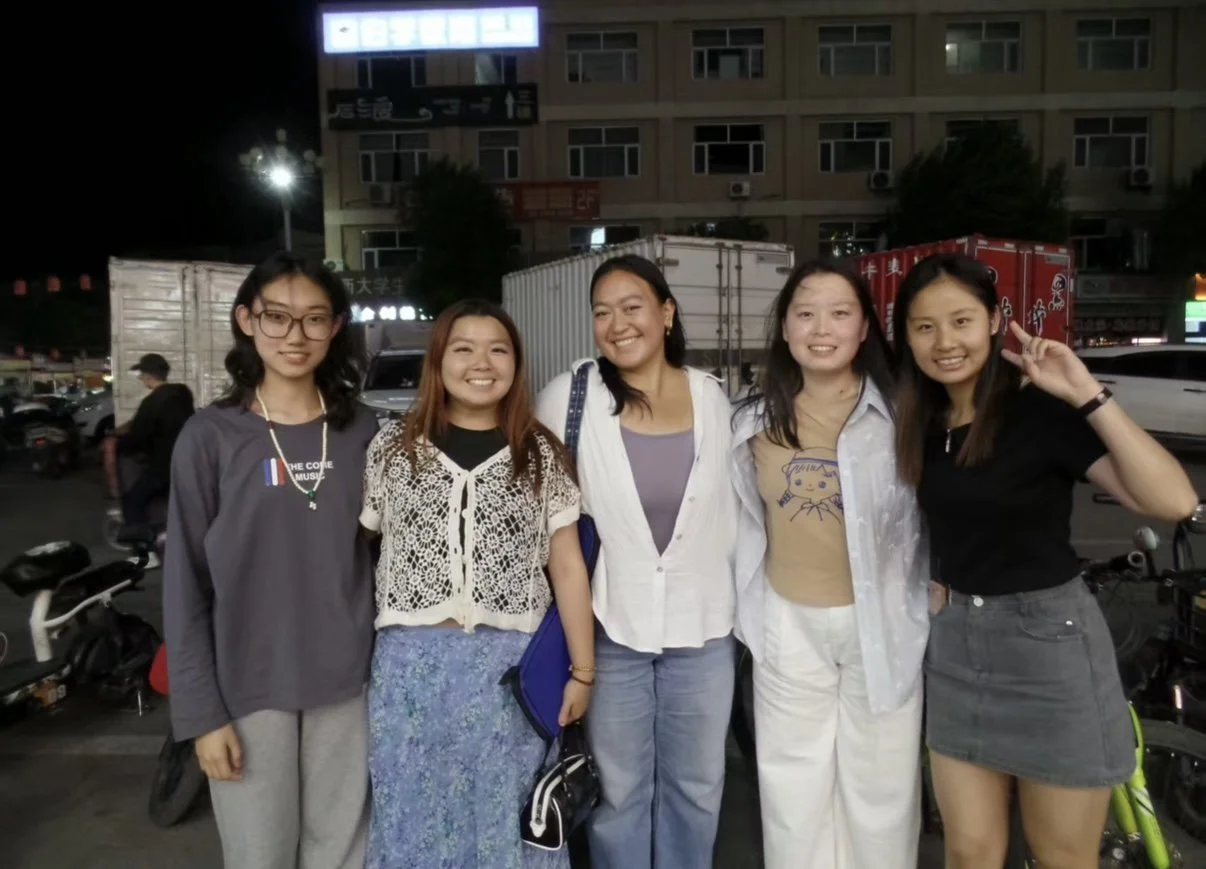
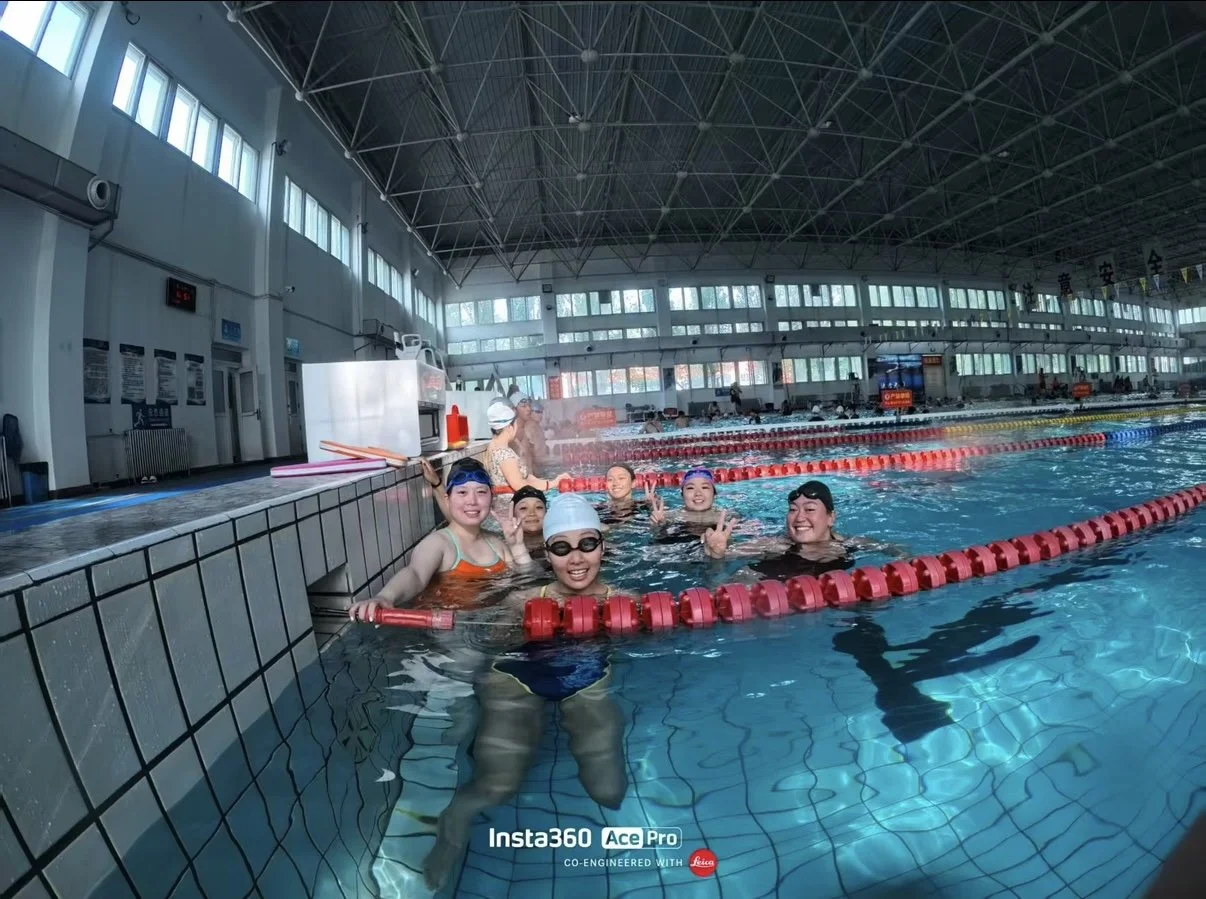
My swim friends and co-fellows, whom I have immeasurable love for. Pictured: Rongze, Muyuan, Gong Yansong, Naixing, Bianfang, Tianyi, Sidnhy, Elaine, Tiffany, and me. Not pictured: Bridget, Fang Xingyuan, Liu Yuejun, Wang Jiangtao, and many more!
Though only a handful, these memories and all my friendships are what encapsulate my version of Taigu. And while I could continue and attempt to illustrate even a sliver of the life I hesitate to leave in China, instead, here are some photos that might do a better job than my words alone ever could.
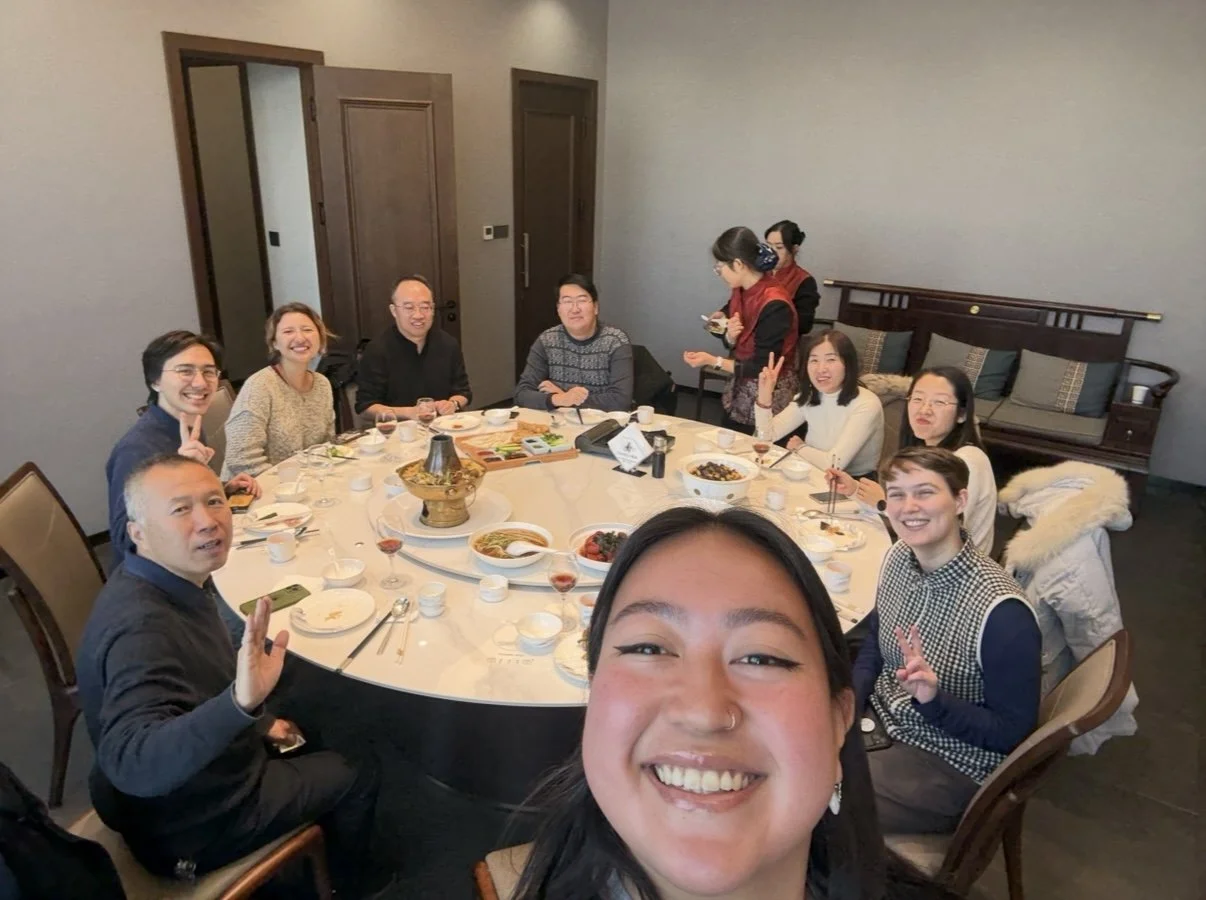
A recent Thanksgiving Day banquet
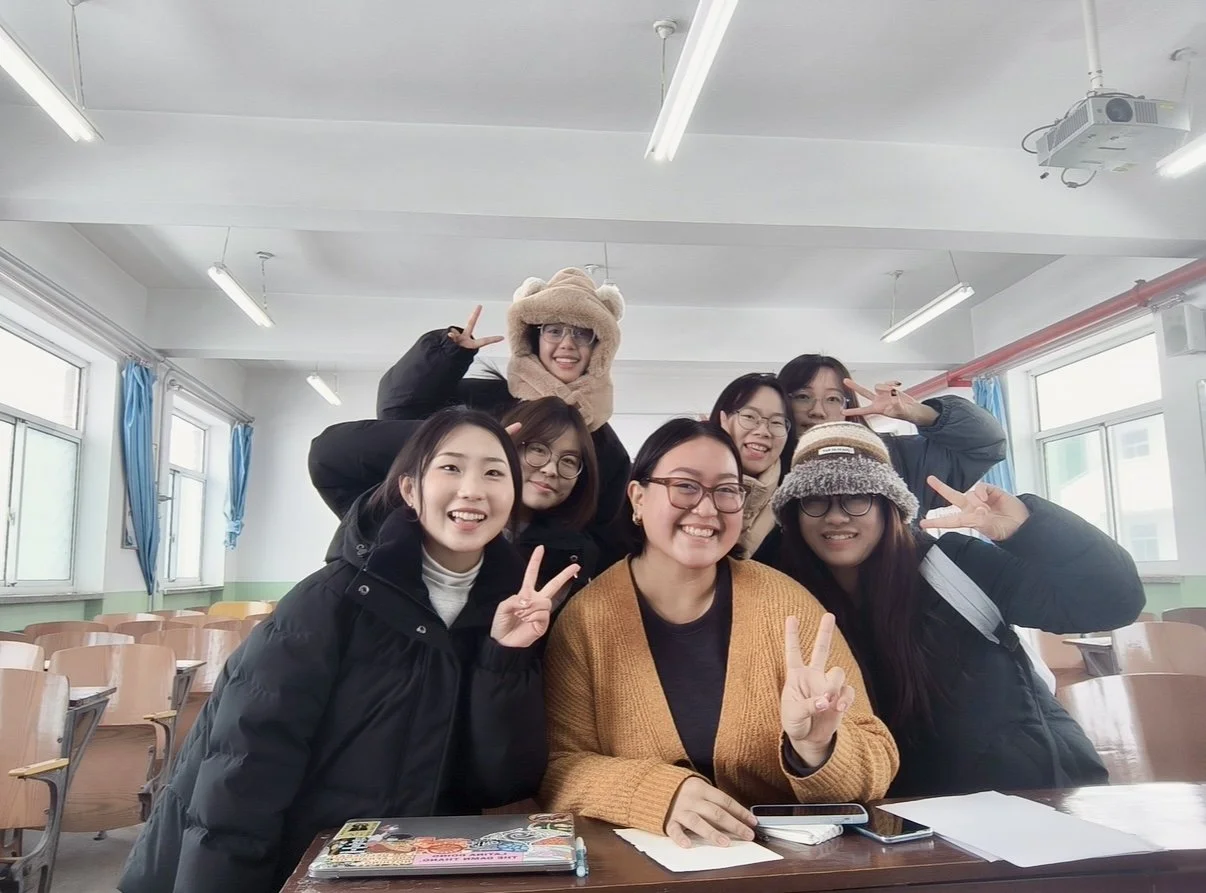
A group photo with some of my graduate students at the end of my first semester at SXAU
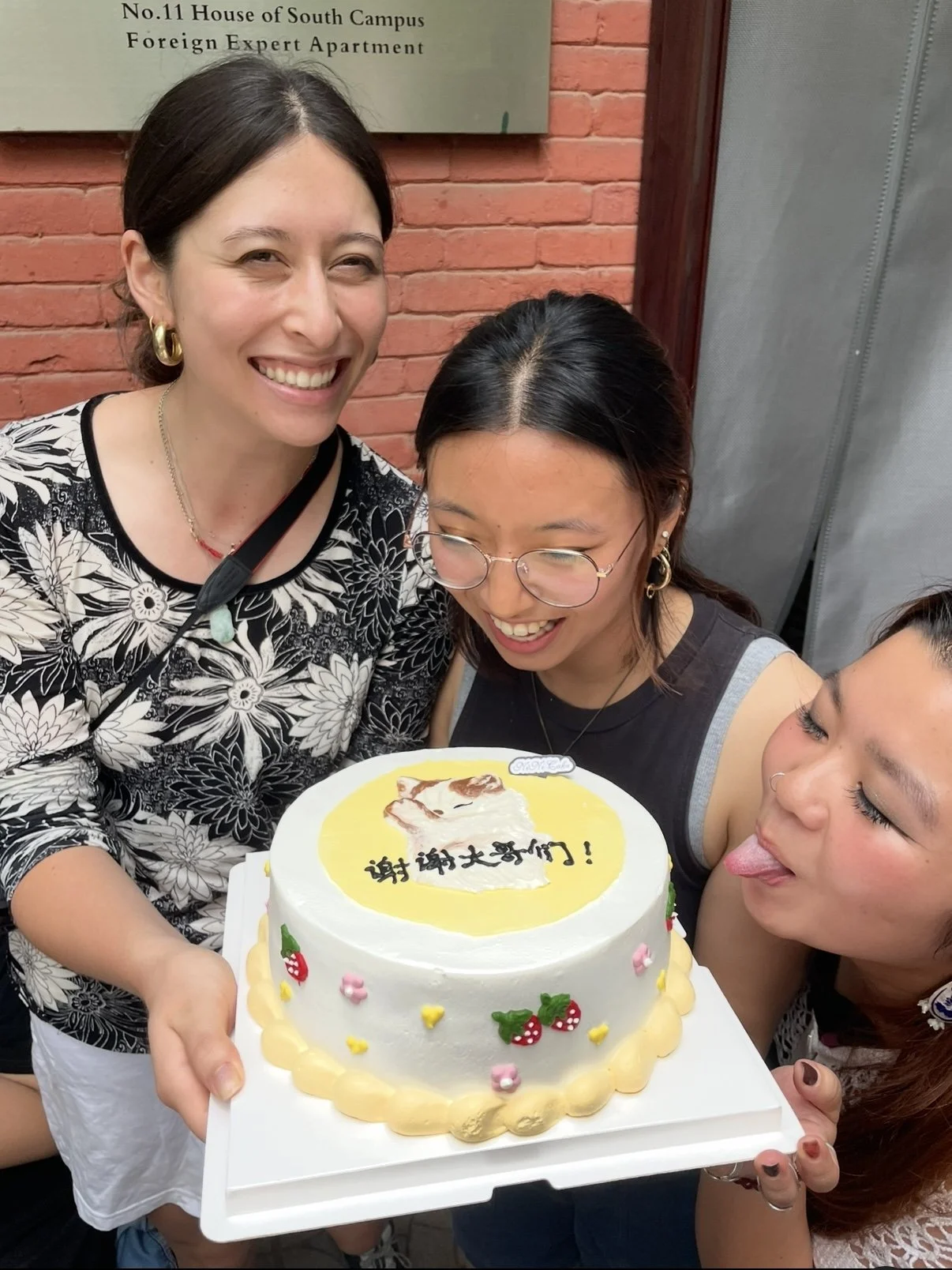
Dina, Elaine, and Tiffany with their 谢谢大哥 (xie4 xie4 da4 ge1, thank you older brother) cake
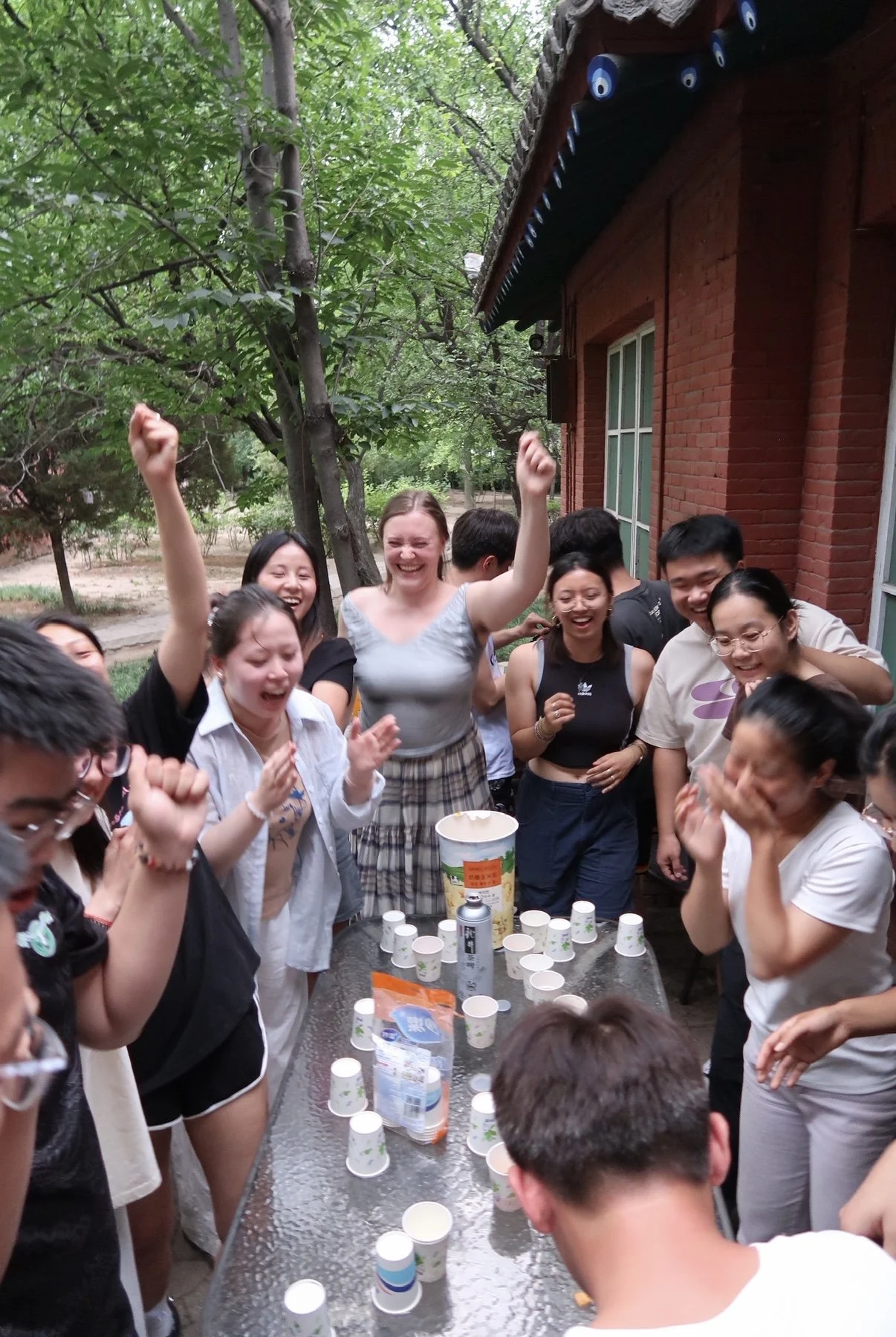
One of many red house parties
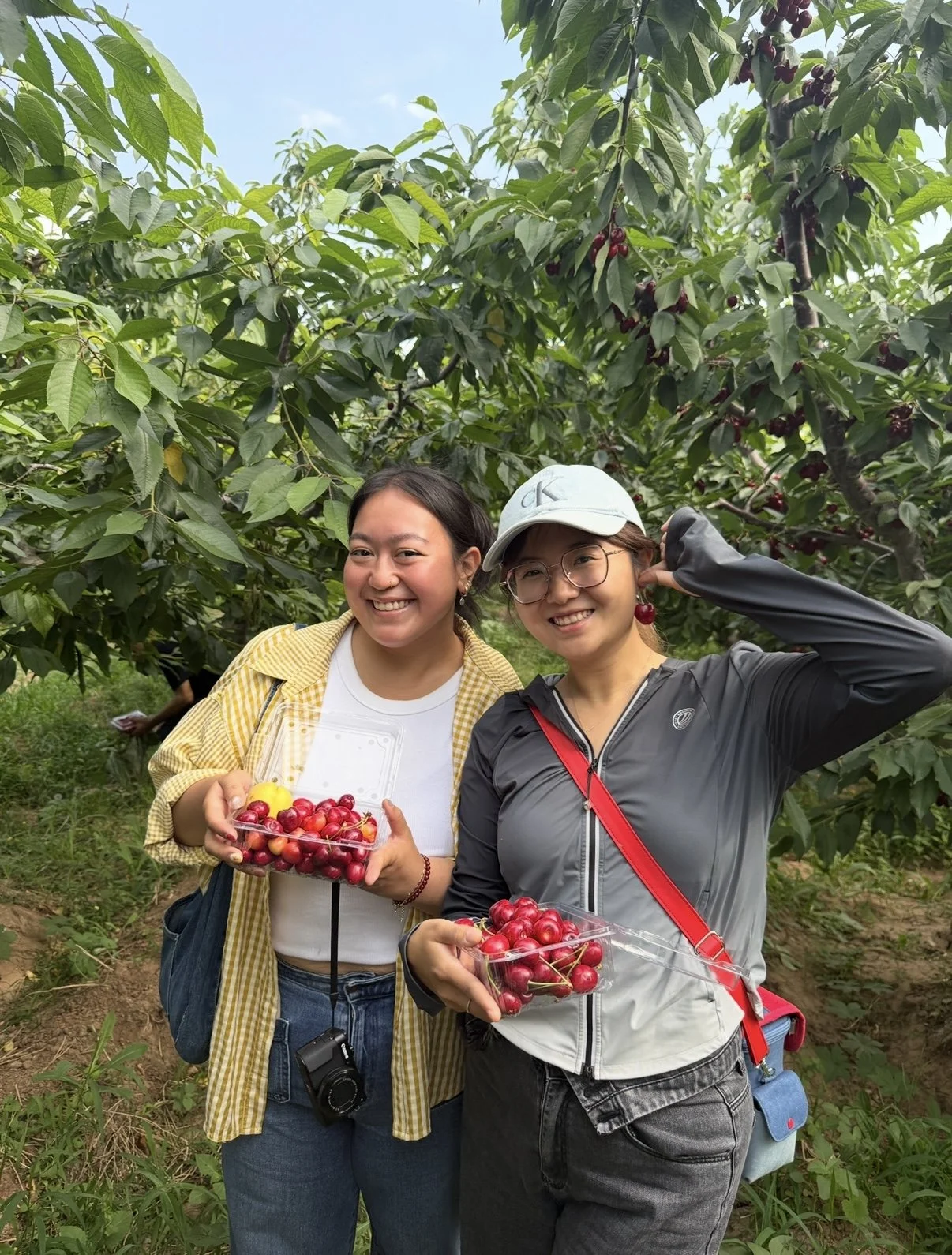
My former student turned friend, Cong Lin, and I picking cherries at one of SXAU’s orchards
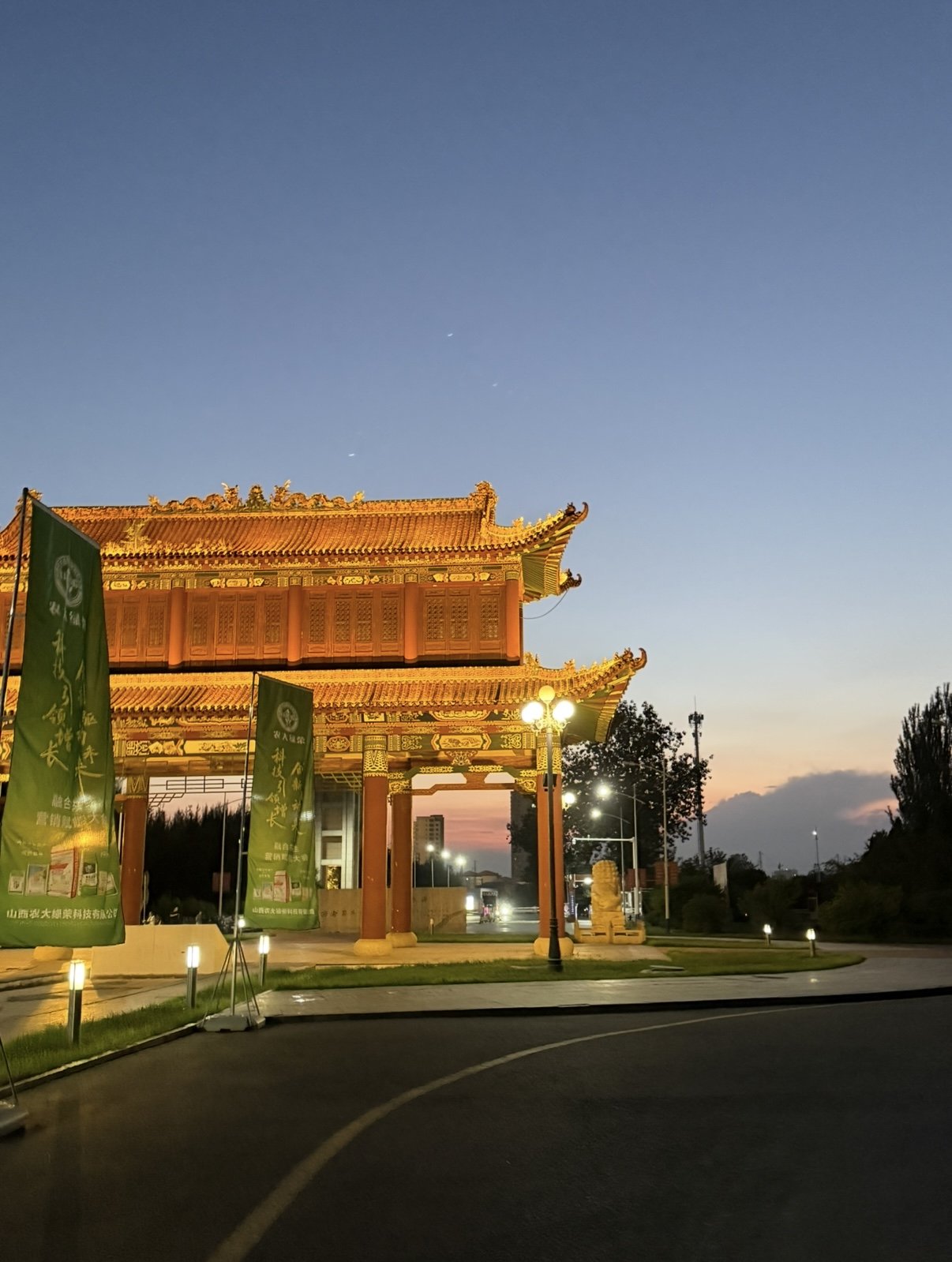
西门 (xi1 men, west gate) main entrance lit up for the arrival of a new school year
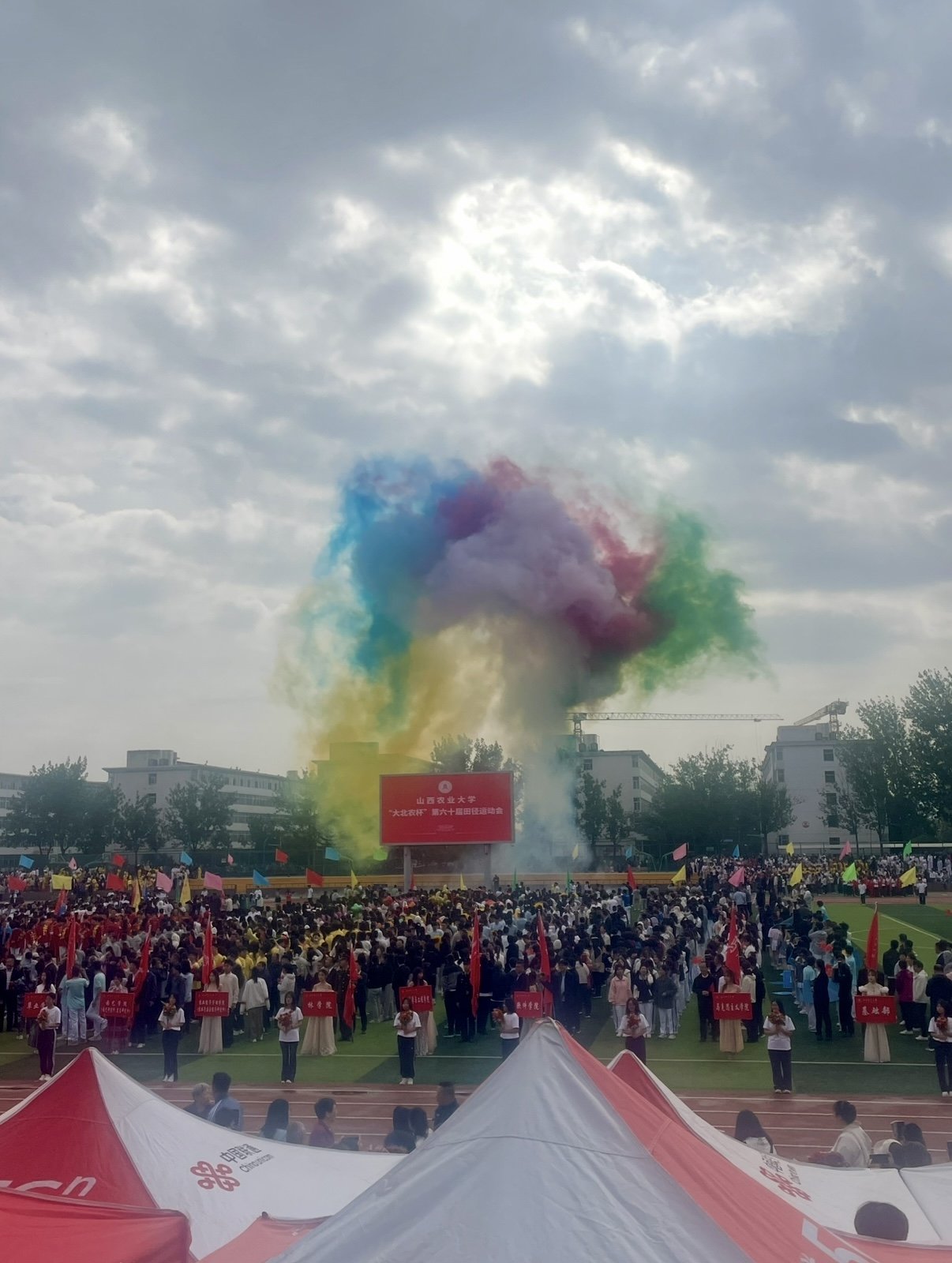
Opening ceremony of SXAU’s annual school-wide sports competition (affectionately called “农大 Olympics” by current fellows)
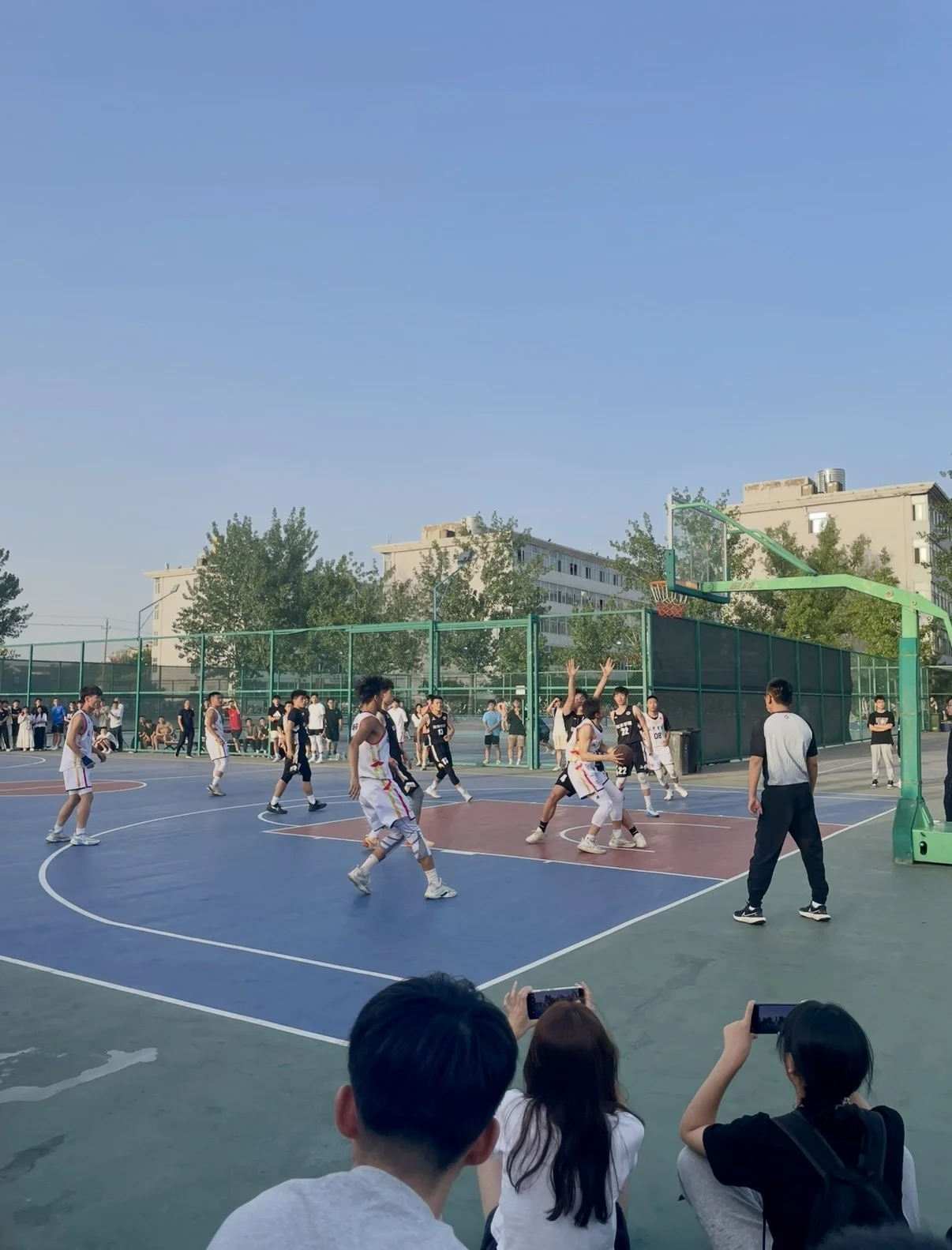
2024 Basketball Tournament Semifinals
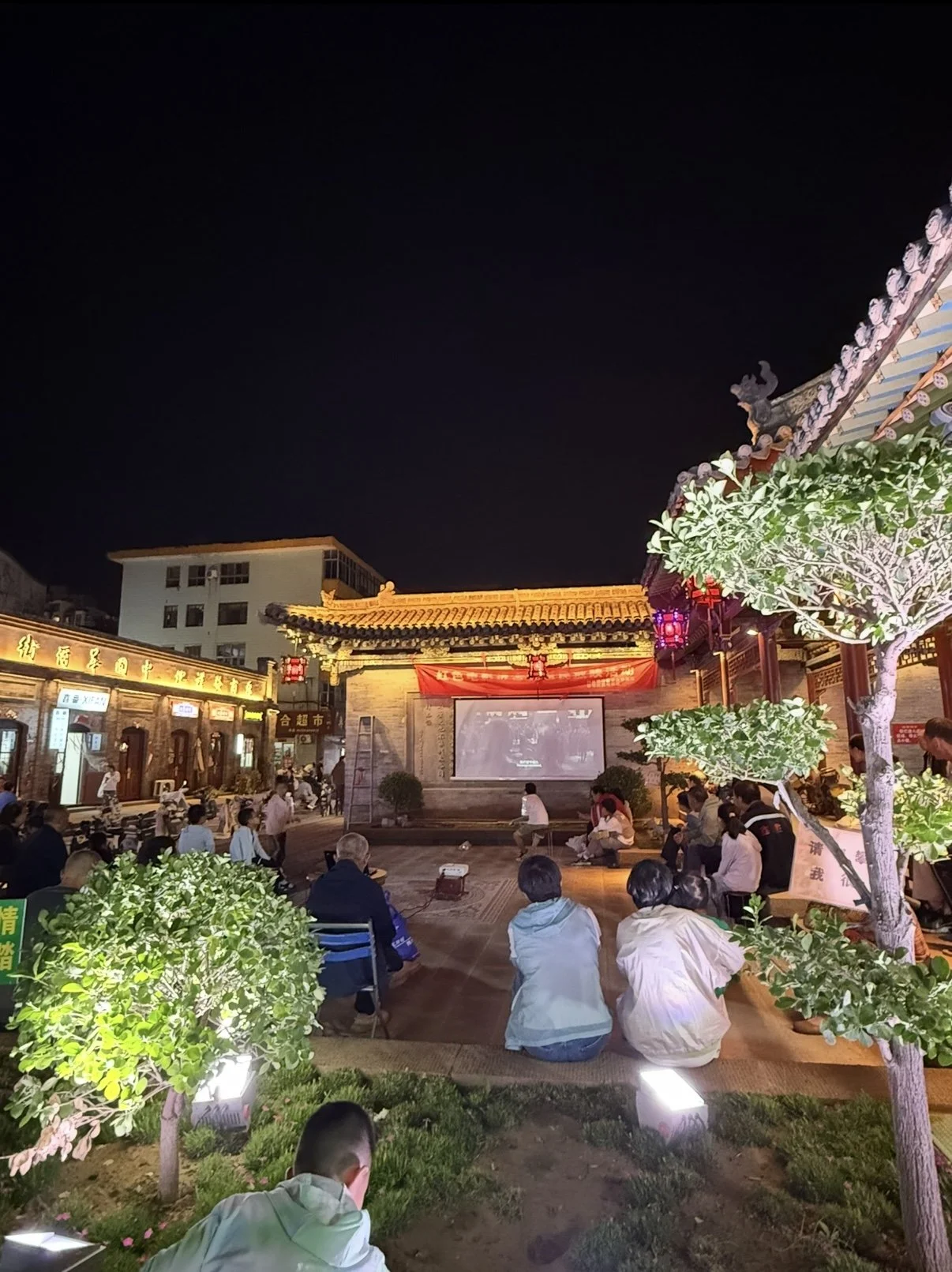
A community movie night in Taigu’s Old Town
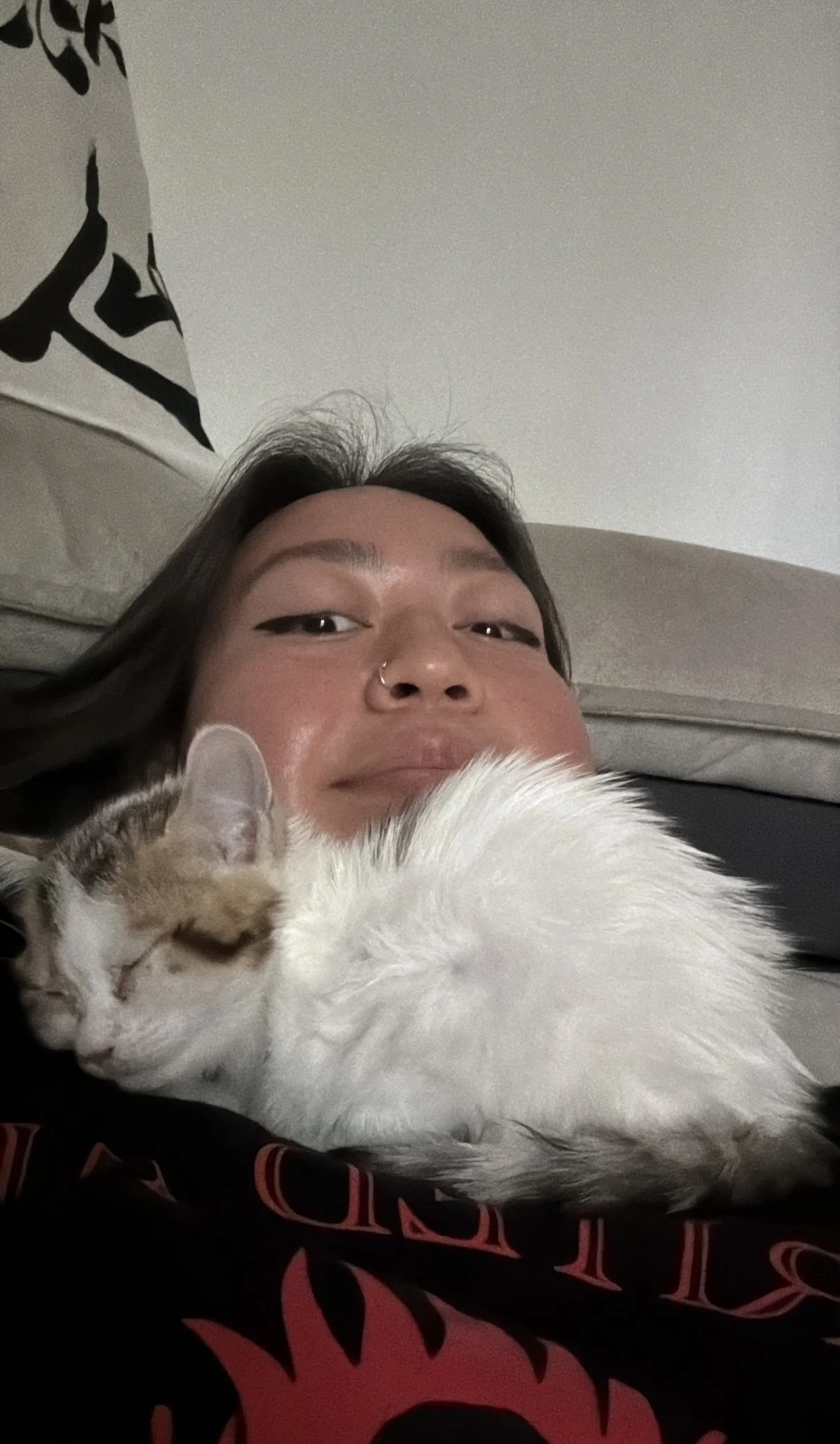
Me and Tomorrow, a kitty that Nissa, Riley, and I love
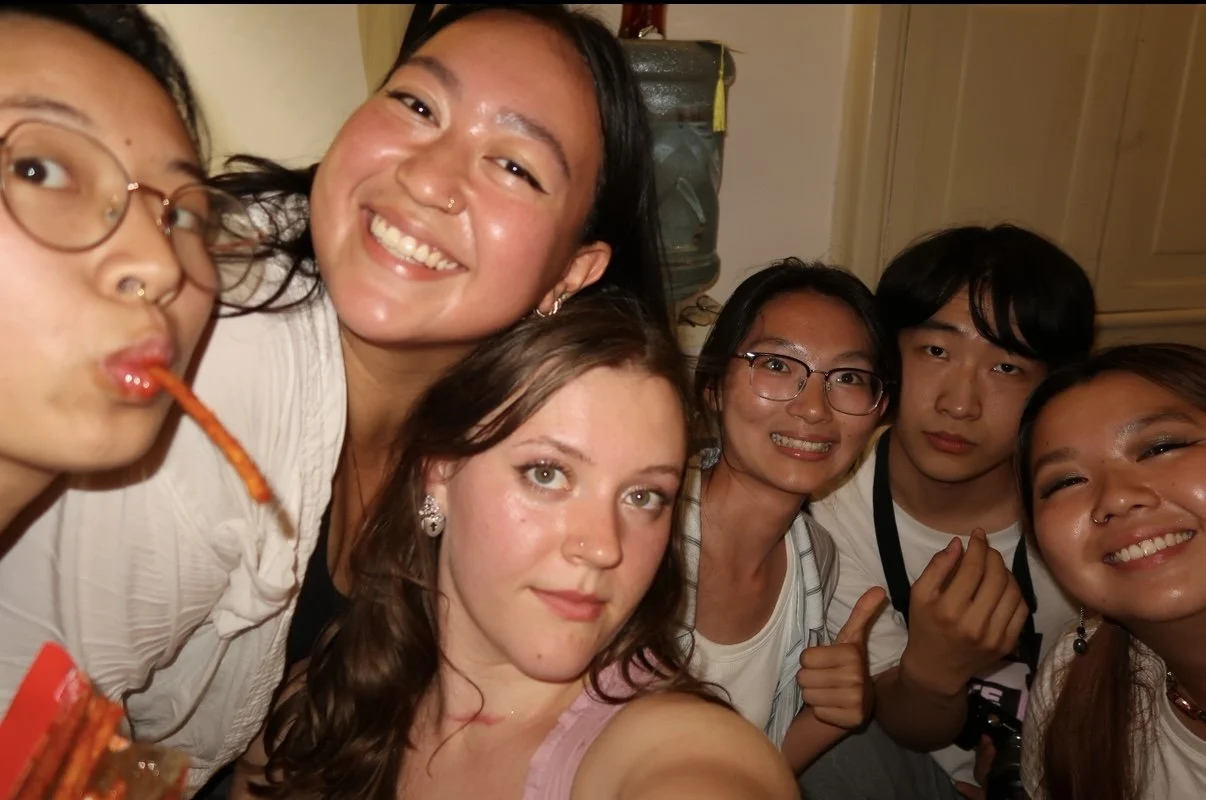
Elaine, me, Riley, Andy, Darcy, and Tiffany at a red house party
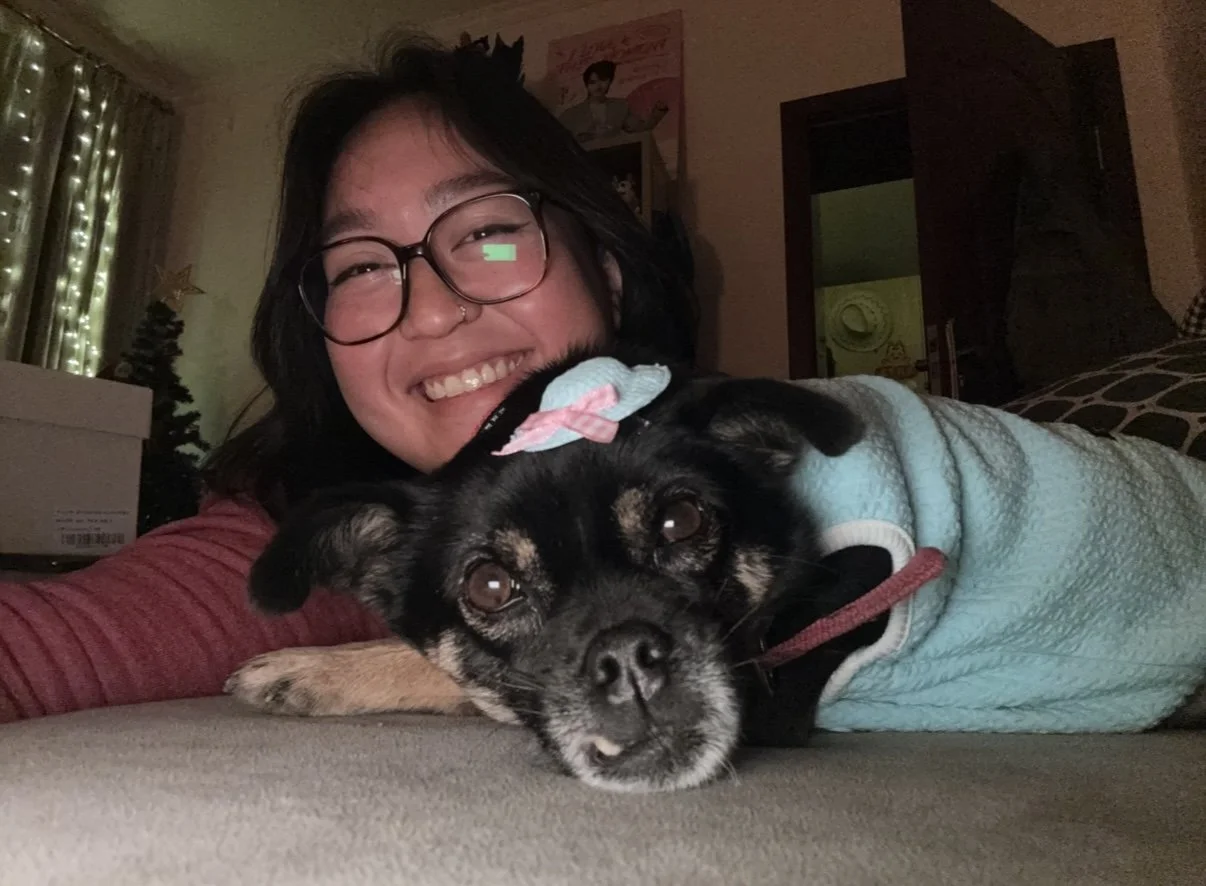
Snaggletooth and I

Honey, Moo Moo, and Snaggletooth captured by Sidnhy

Moo Moo, Squeal, Snaggletooth, and Honey relaxing in house #5
This past January, I met two American travelers while journeying along the Ha Giang loop in northern Vietnam. Daphne and Jack had just spent the last six months living and working in Chongqing. And in the middle of sharing silly stories of our experiences in China, I admitted, “I have a hard time describing what it’s like living and working in China to people back home. Honestly, if someone wants to know what it’s truly like, they just have to travel to China and find out themself.” Jack and Daphne agreed, and I felt affirmed. Two months later, I still stand by this sentiment. Every draft of this report, including this final version, is an ambitious attempt to perfectly summarize the past two and a half years of my life in Taigu. While I consider myself a determined writer, unfortunately, I admit defeat. I cannot convey it all. And selfishly, there is some satisfaction in knowing that there are parts of Taigu that only my co-fellows and I will understand. However, this does not make saying goodbye any easier. I will miss living in house #5, cuddling with various campus dogs on the couch, and inviting friends over for parties and holiday celebrations. I will miss exchanging kind smiles with the cooks at 谷园 (SXAU’s main dining hall), the quietness of the famed Shanxi Province 休息 (rest) period, the sweet-smelling flowers that bloom around Taigu every April, the intense annual interdepartmental basketball competition in May, all the campus dogs that my co-fellows and I have cared for, and the kind “慢走” (farewell) the Shanghai steamed dumpling restaurant bosses yell at me when I leave their store. I will also miss yelling back, “明天见” (see you tomorrow) and hearing them chuckle. Lastly, I will miss my relaxing strolls around the Lake of Thought and all the opportunities for people-watching. It is truly a privilege to experience such nostalgia and sadness at the thought of leaving a community that, despite all its changes and challenges, feels like home. My Taigu, a place that is unlike anywhere I have ever been, where I have made the sweetest friendships and memories, will stay with me for the rest of my life.