Flood Relief in Aceh, Indonesia
By Trevor Smith ‘25, Shansi Fellow, Syiah Kuala University
I woke up on the morning of November 26, 2025 to the sound of rain. It had started the evening before, when, out of nowhere, the sky had opened up, leaving me with a long and dreary ride home. Stepping over my wet clothes laid out to dry, and peering through my window, I began to worry for the safety of my students driving to campus in this unrelenting storm. Little did I know that the text I sent out to the group chat to cancel class would be the last one I would be able to send for days. Not even 10 minutes after I sent that message — click — the power went off. And though sporadic blackouts are not uncommon in Indonesia, a pit formed in my stomach as I saw the zero bars of service on my phone.
As the rain lightened, a coworker stopped by and advised me to stay home for the day. The streets outside of my neighborhood were flooded and impossible to navigate. I did stay home that day, and the next, with no electricity, no internet, and nothing to do except eat my stockpile of instant noodles and work through a stack of books that a friend had luckily lent me a few weeks before.
When I finally decided to venture out in search of a place to charge my phone, I found the streets around the city almost completely unrecognizable. Along the damp roads were sheets and cardboard signs spraypainted with pleas for donations. Volunteers bustled around them, organizing the mountain of boxes that spilled out into the streets. I rounded the corner onto a muddy river where the main road should have been, and had no choice but to turn back.
Finally, after almost three days of no contact with the outside world, power came back just long enough for me to update friends, family, and Shansi on the situation. As I began to meet up with friends again, I learned about the extent of the floods' impact across the province where, especially along the east coast, Intense flooding, mudslides, and power outages had washed away entire communities, leaving thousands injured, dead, and missing. Dozens of places remained inaccessible to aid workers due to the destruction of infrastructure. ‘Aid workers’ is a strong term. Most of the people travelling to deliver food, clothes, and water to the rural areas that were most affected were just everyday people who managed to scrounge up enough donations. Including one of the fellows' close friends, who had gone out to deliver supplies only a few days after the initial flooding. What she described was heart breaking. Driving through the villages, building after building was stained with mud, marking the level the flood had reached. Some of the people she met had not eaten in days, others still didn’t know if their friends or family had survived.
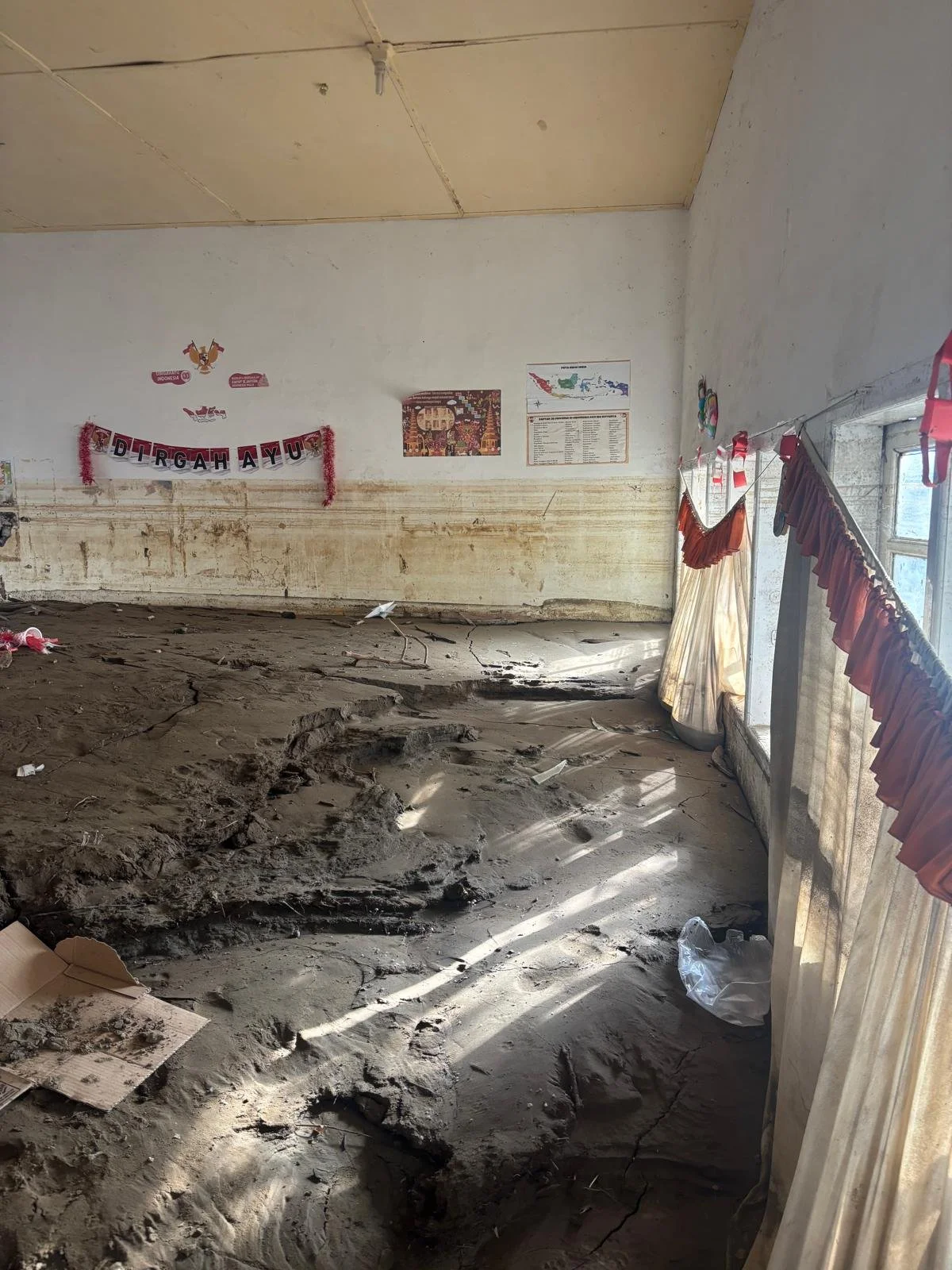
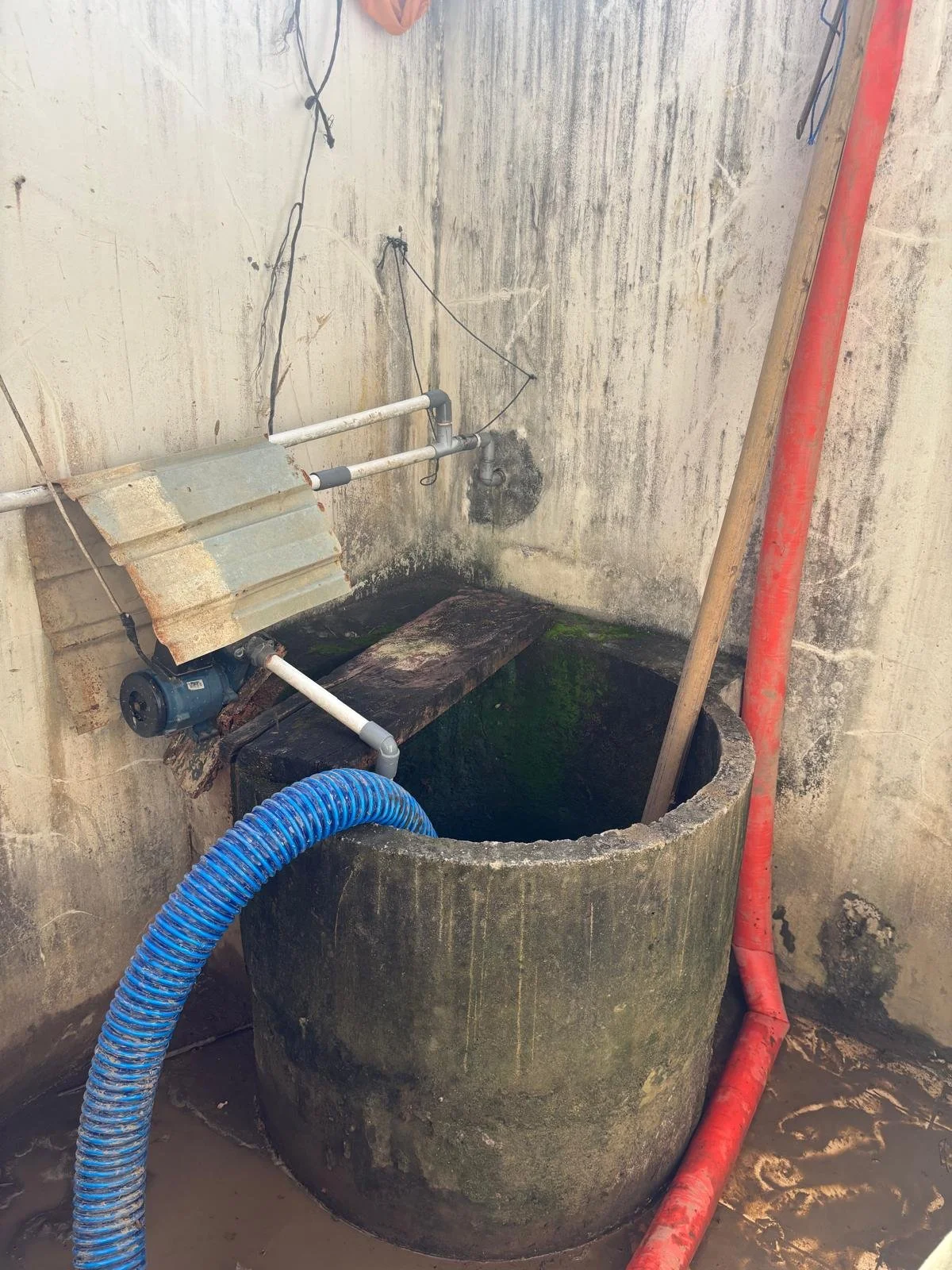
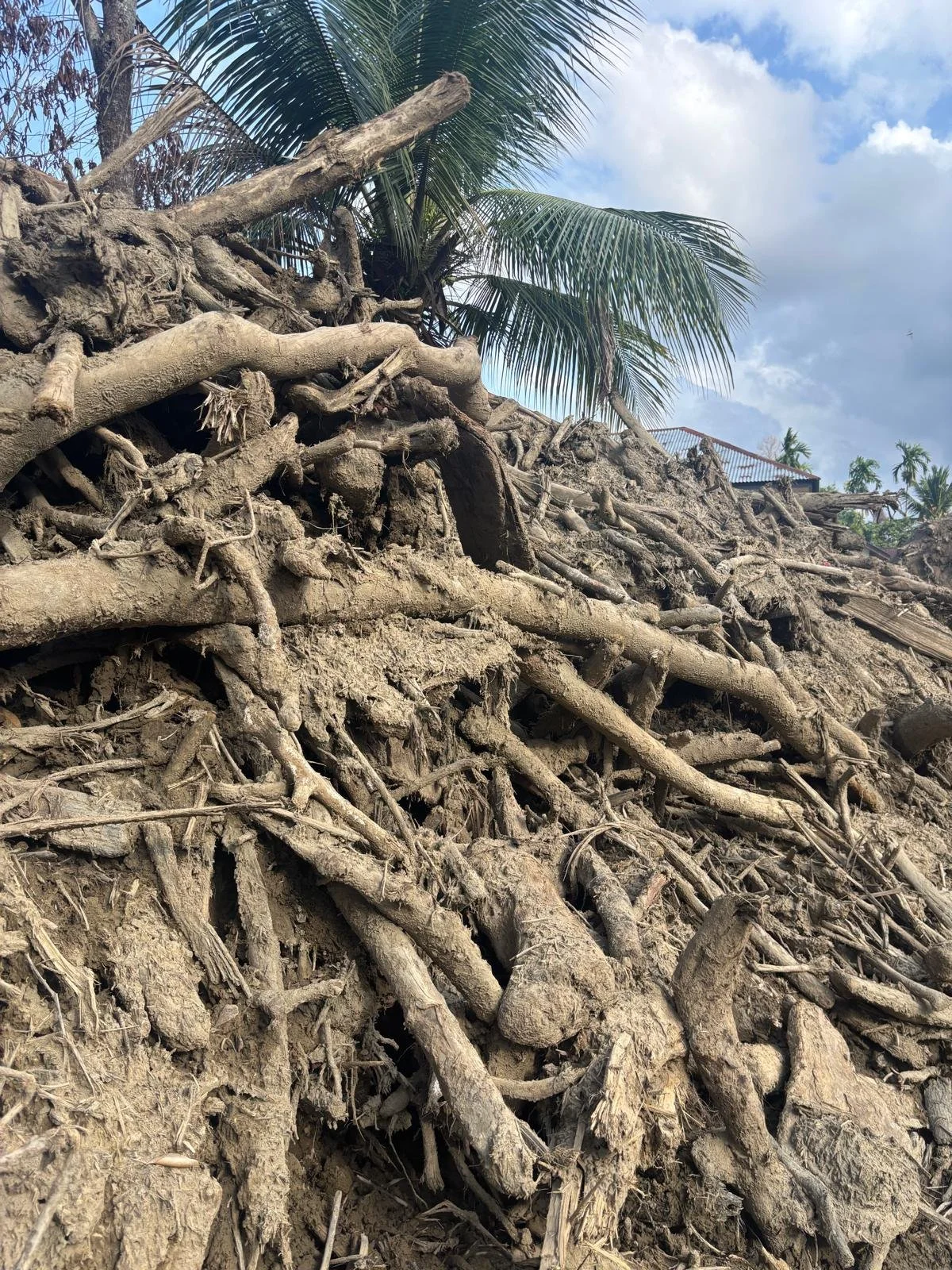
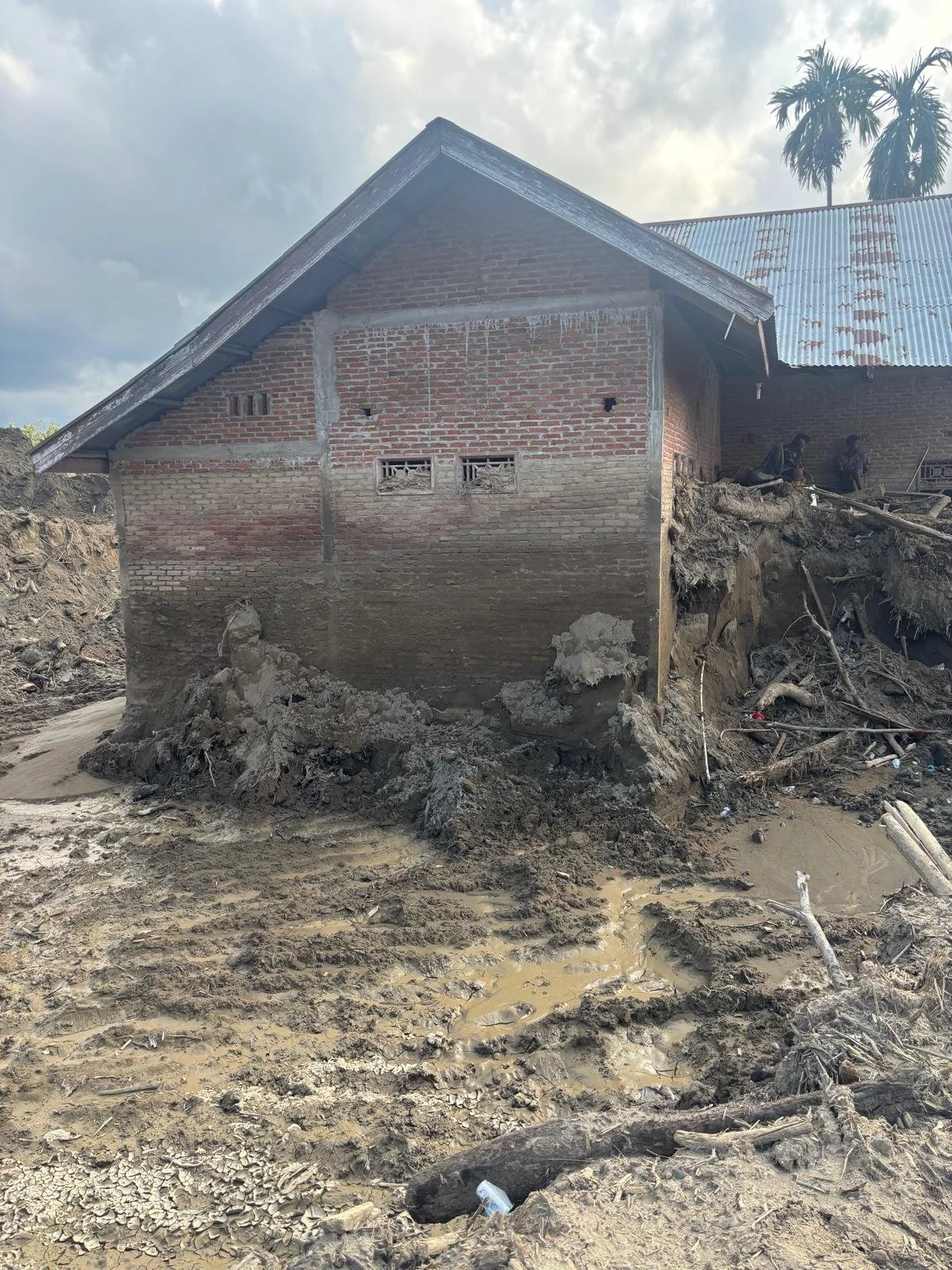
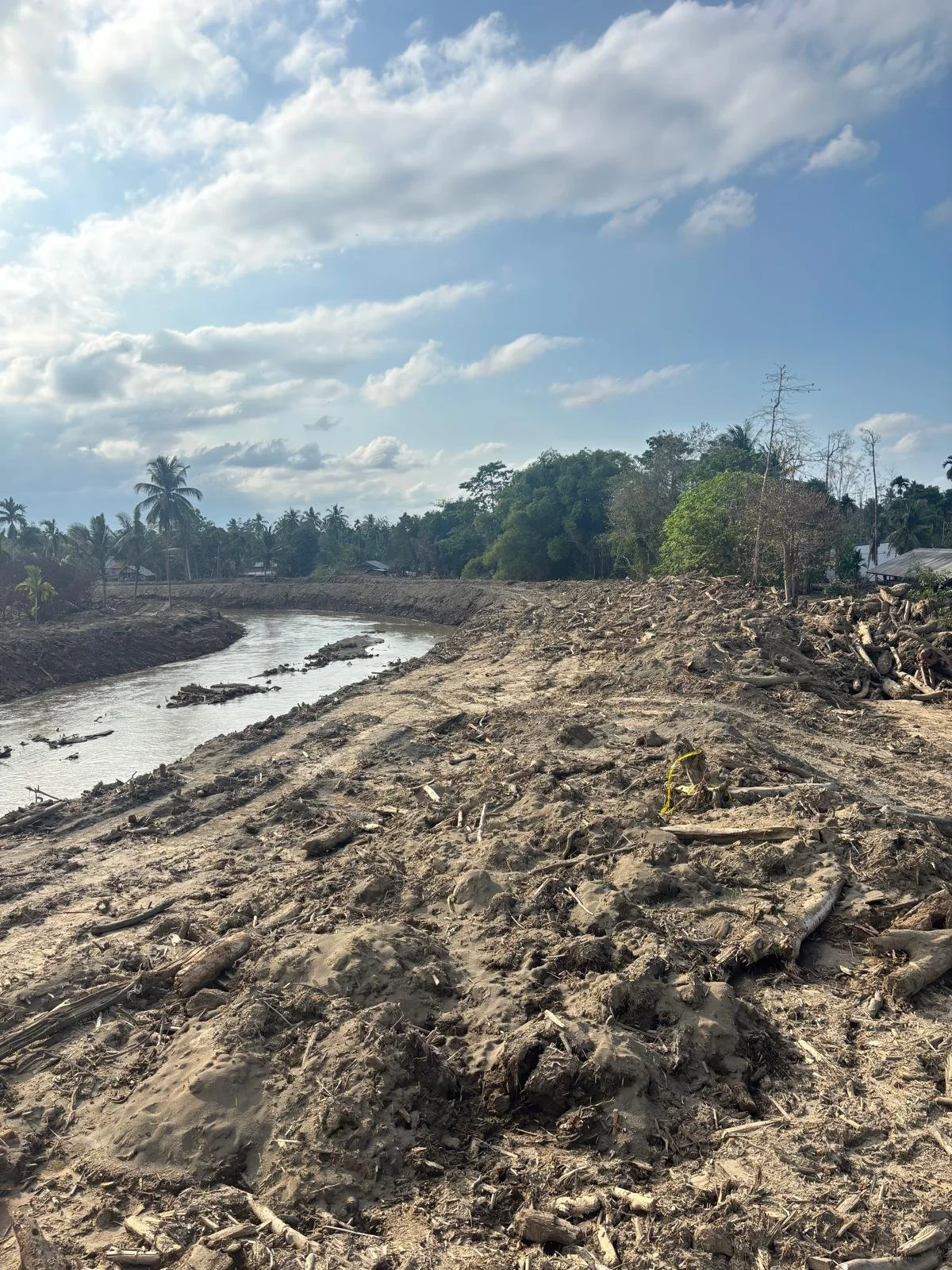
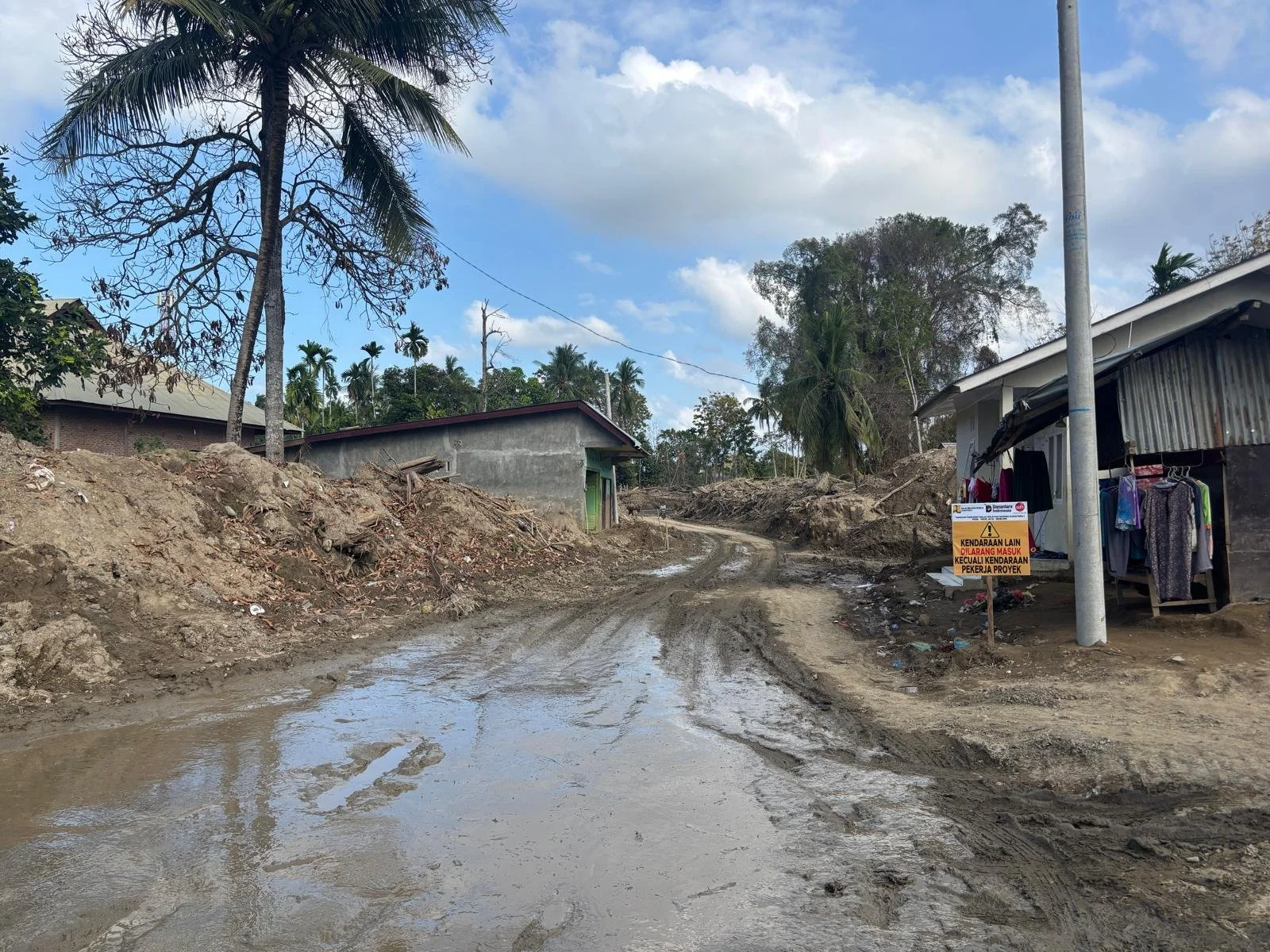
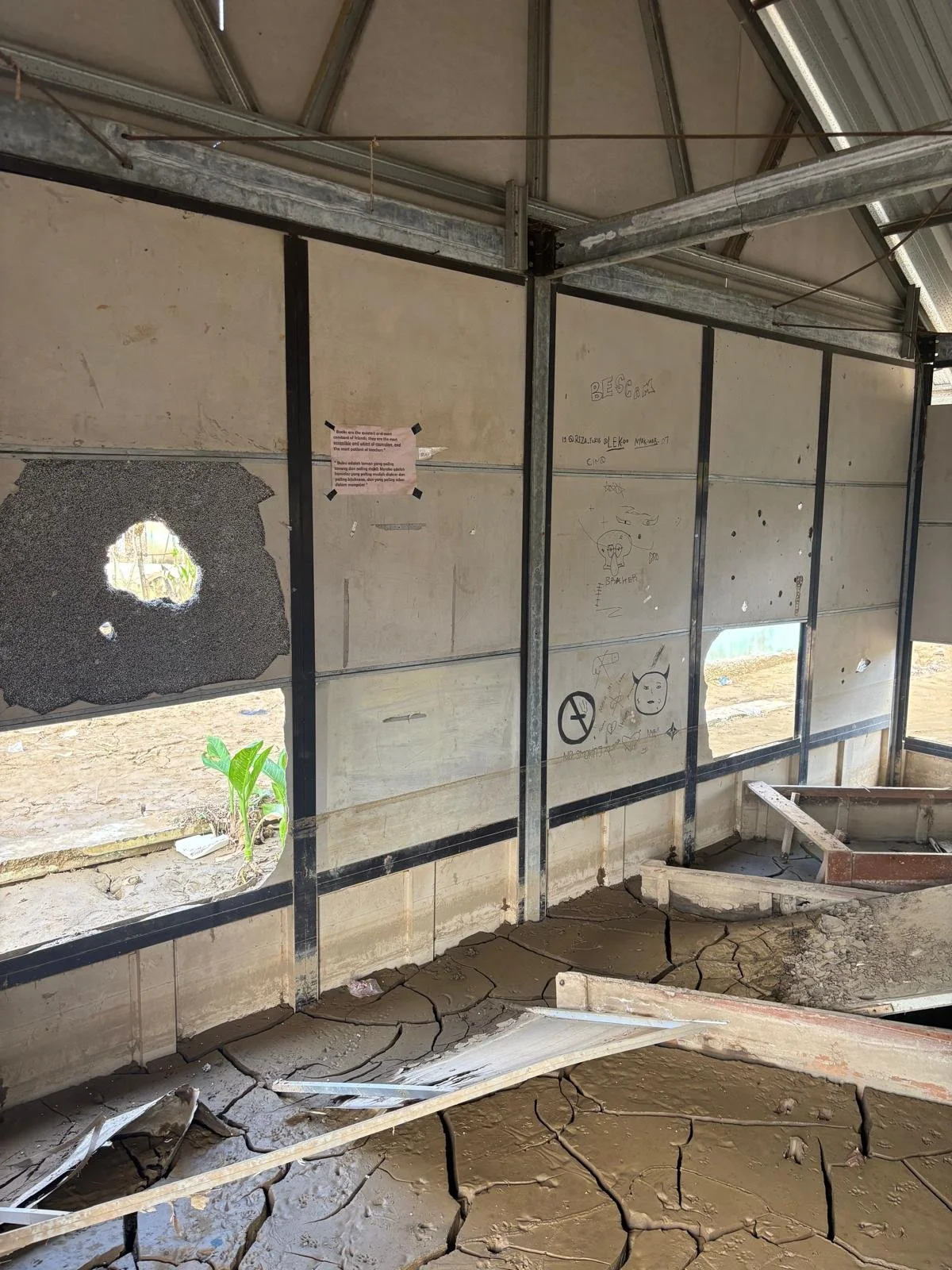
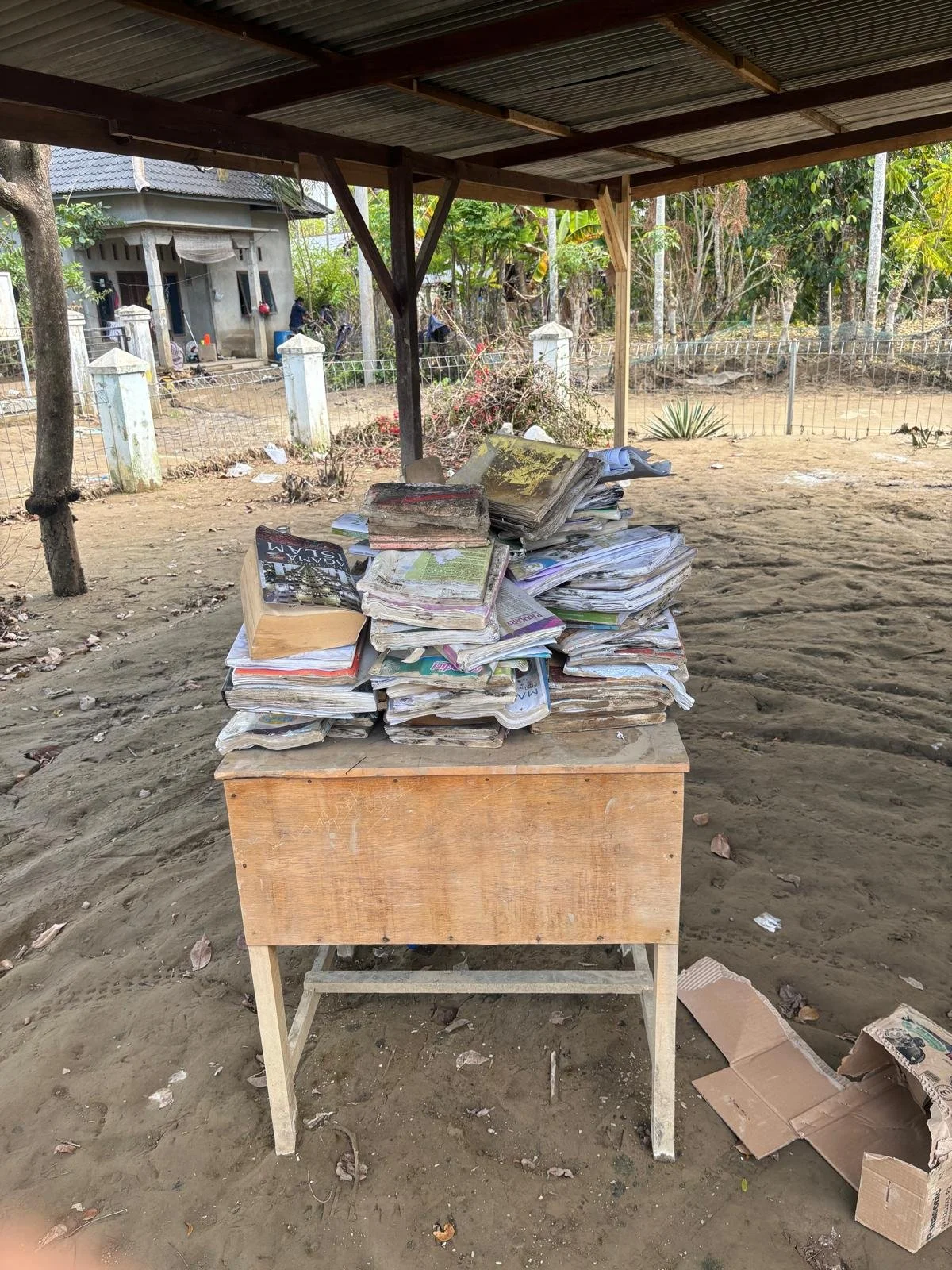
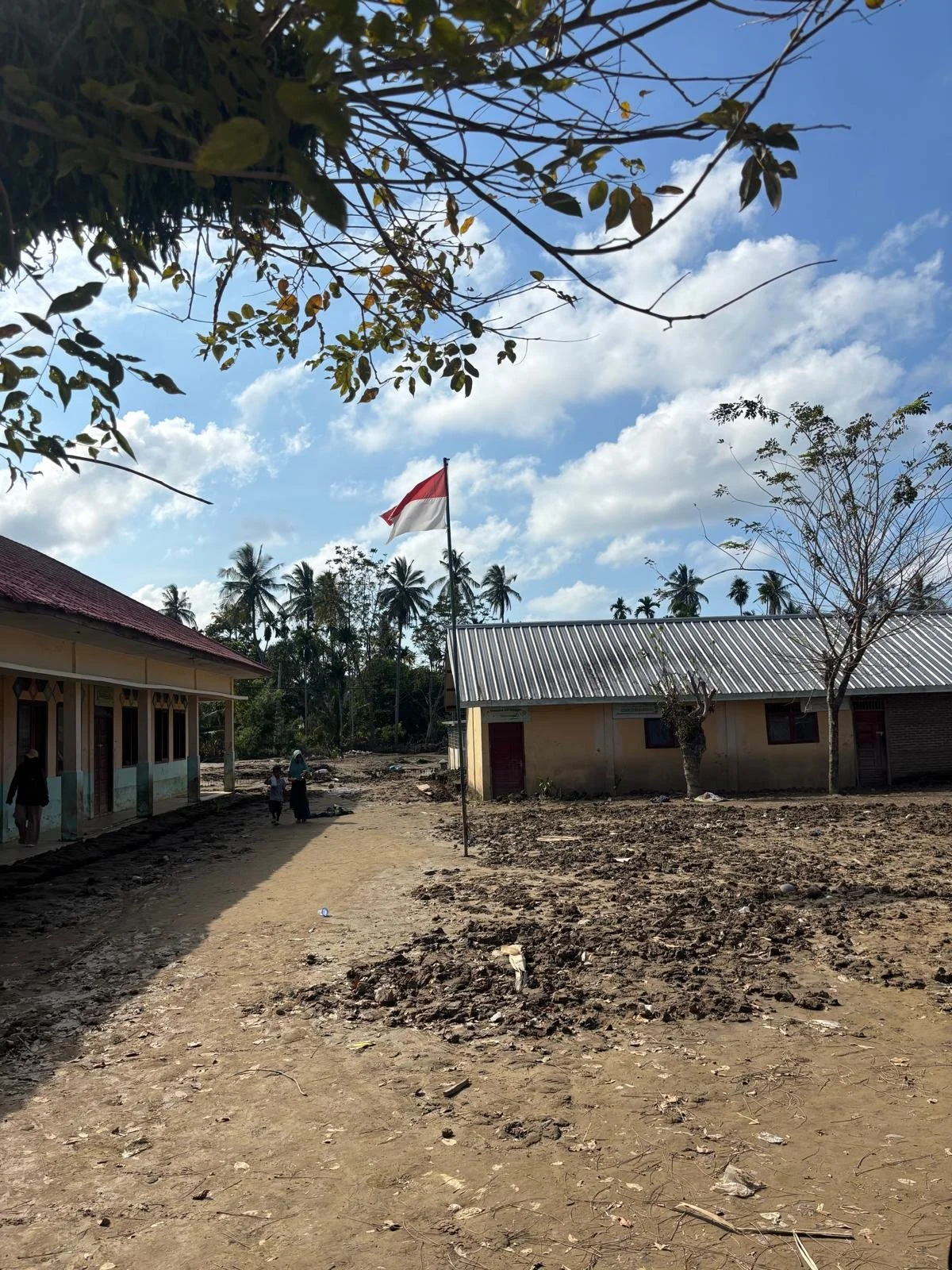
About two weeks after the flooding, I left Aceh to travel through southeast Asia with a few of the other Shansi Fellows, with no idea what the condition would be like upon my return. My first weekend back in Banda Aceh after a month and a half of travel, a long time friend of the Aceh Fellows invited my senior fellow, Yana, and me to join her on a trip to Pidie Jaya, one of the areas most heavily impacted by the flood, to deliver a water pump used to clean out mud-clogged wells to a local NGO. There was nothing that could have properly prepared us for what we saw there. Walking through the streets, coated in mud, walled in by a hill of cleared away tree limbs, you would have thought that the flood had hit last week, not nearly two months ago. We were first shown a school, its classrooms choked in mud, desks and chairs poking out with broken edges from the sludge. Outside in the courtyard was a single desk piled up with the few salvaged books, now with no home. With their school now unusable, a half dozen children played around us and looked at us with wide-eyed curiosity. Our friend explained to us that one of them had waited on their roof for five days before help arrived.
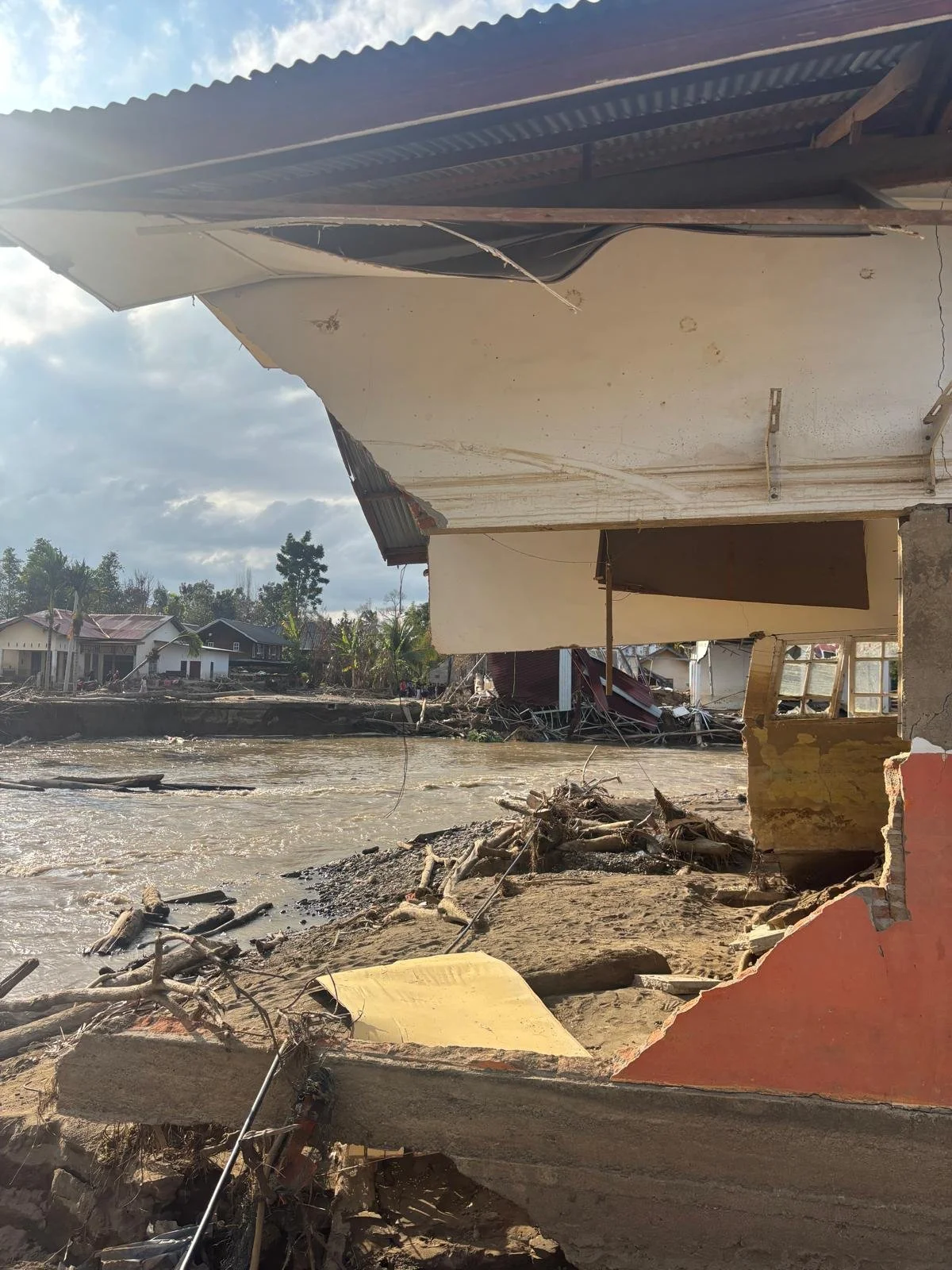
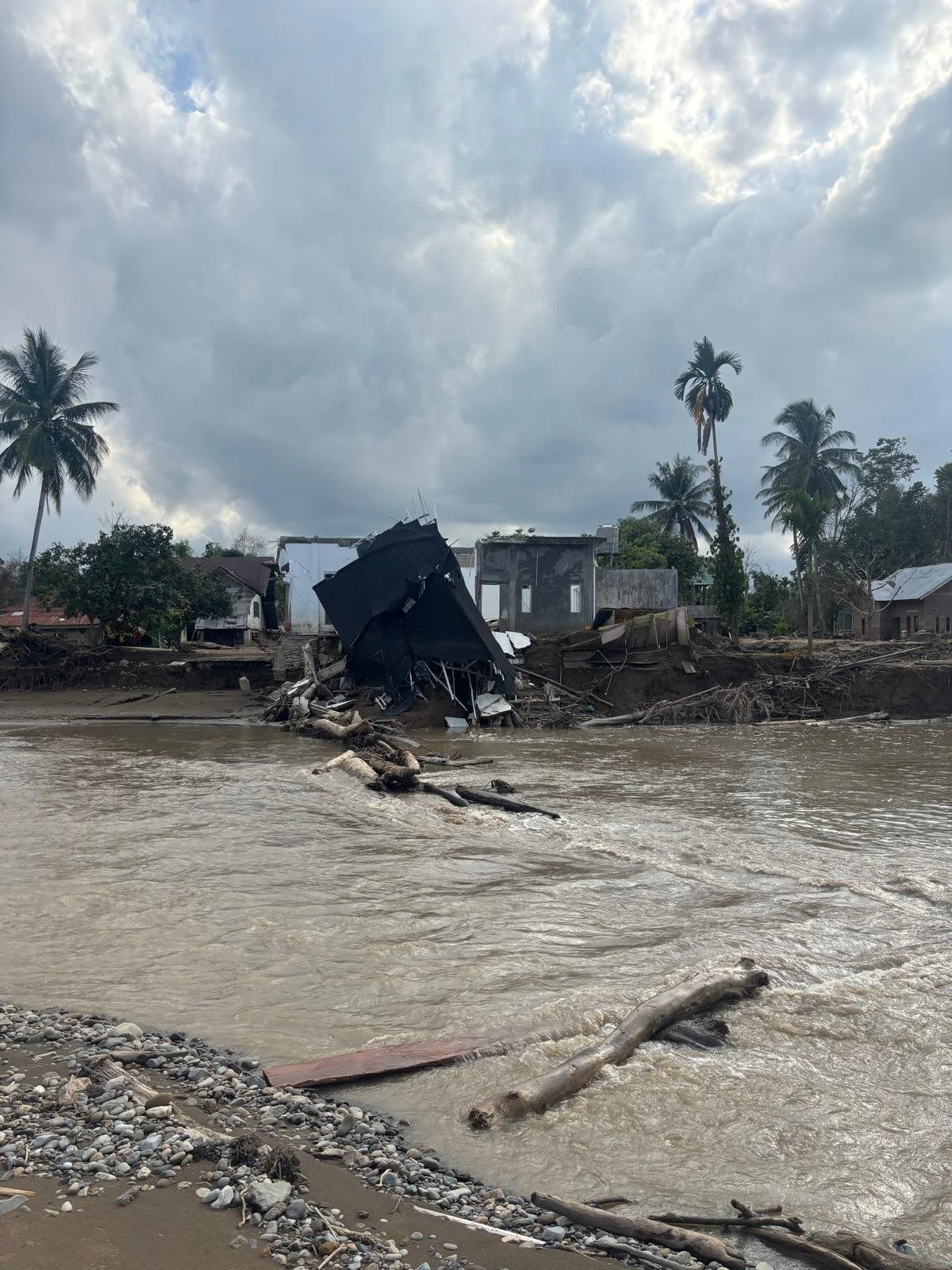
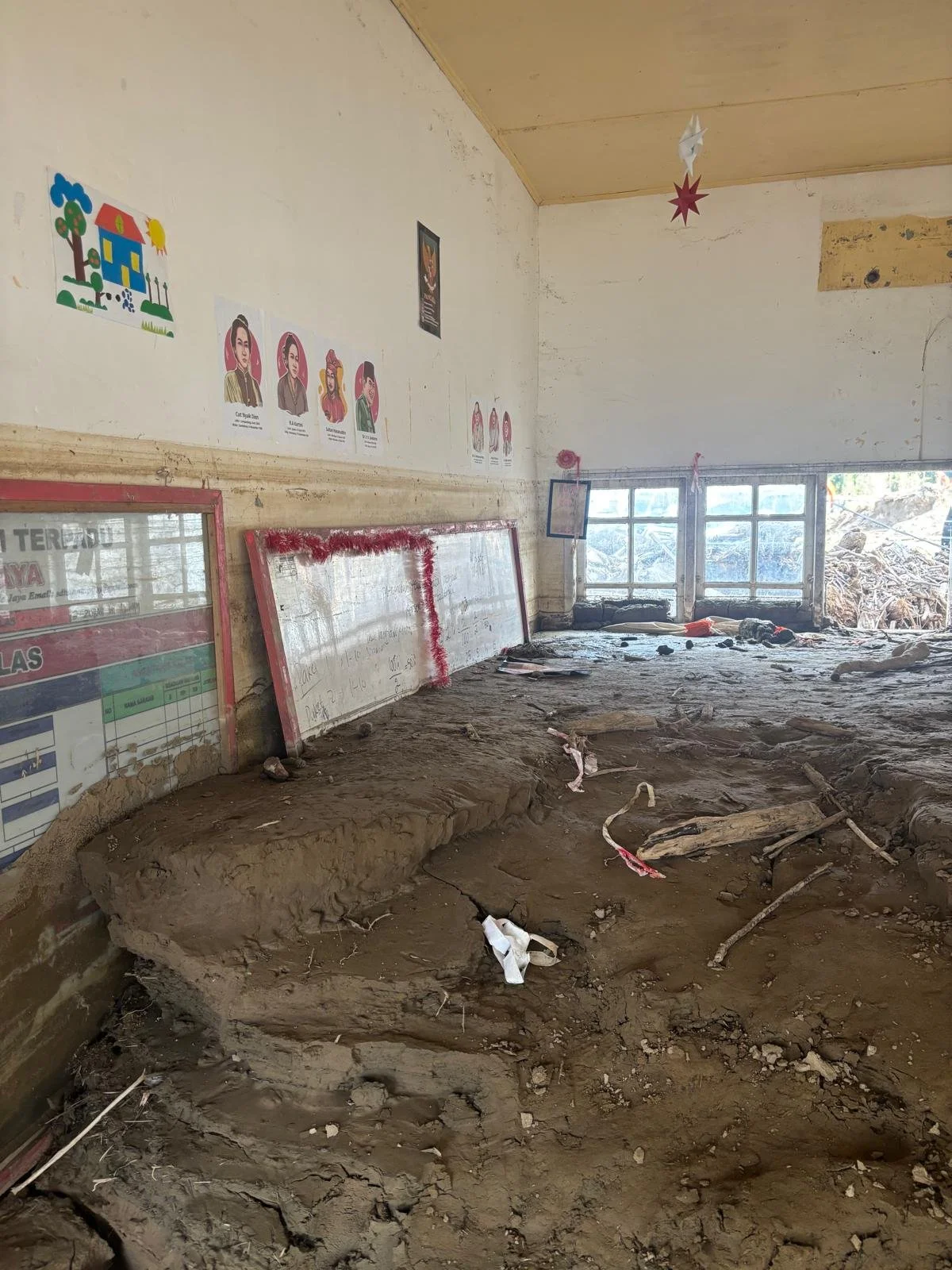
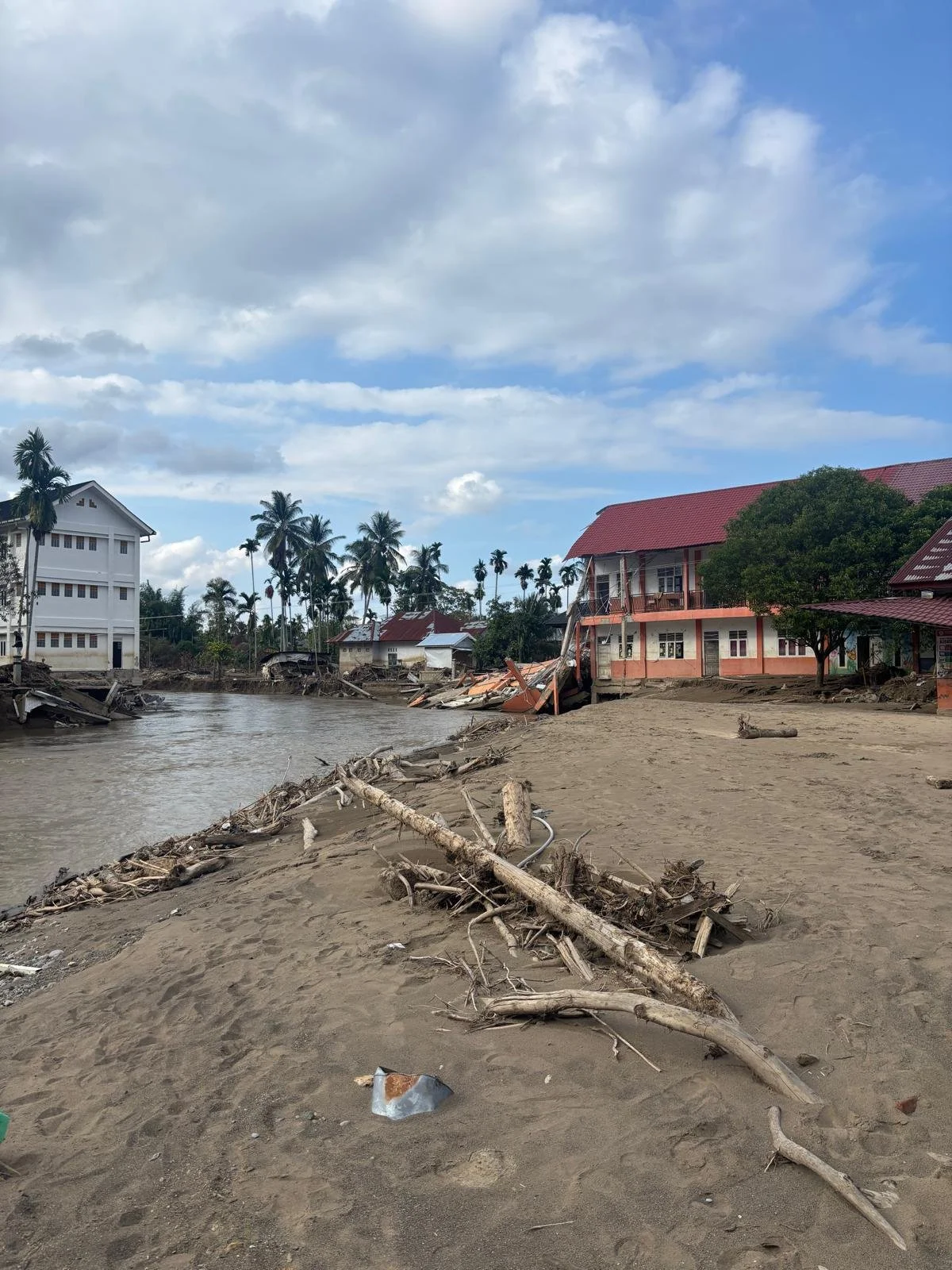
As the NGO workers drove us deeper into the affected area, the debris along the roadside grew to unimaginable heights. At last we stopped and walked up this mountain of branches, bricks and lumber, until we reached another school. It had once been a single complex but was now completely torn in half by a newly formed river. Stepping inside the classrooms, student-made decorations still dangled from the ceiling and pictures of Acehnese heroes lined the walls. On the white board was still the faint outline of the day's lesson, or at least what was still visible above the dried block of mud that buried the classroom nearly six feet deep. Wordlessly, we walked back and got in the car to go home.
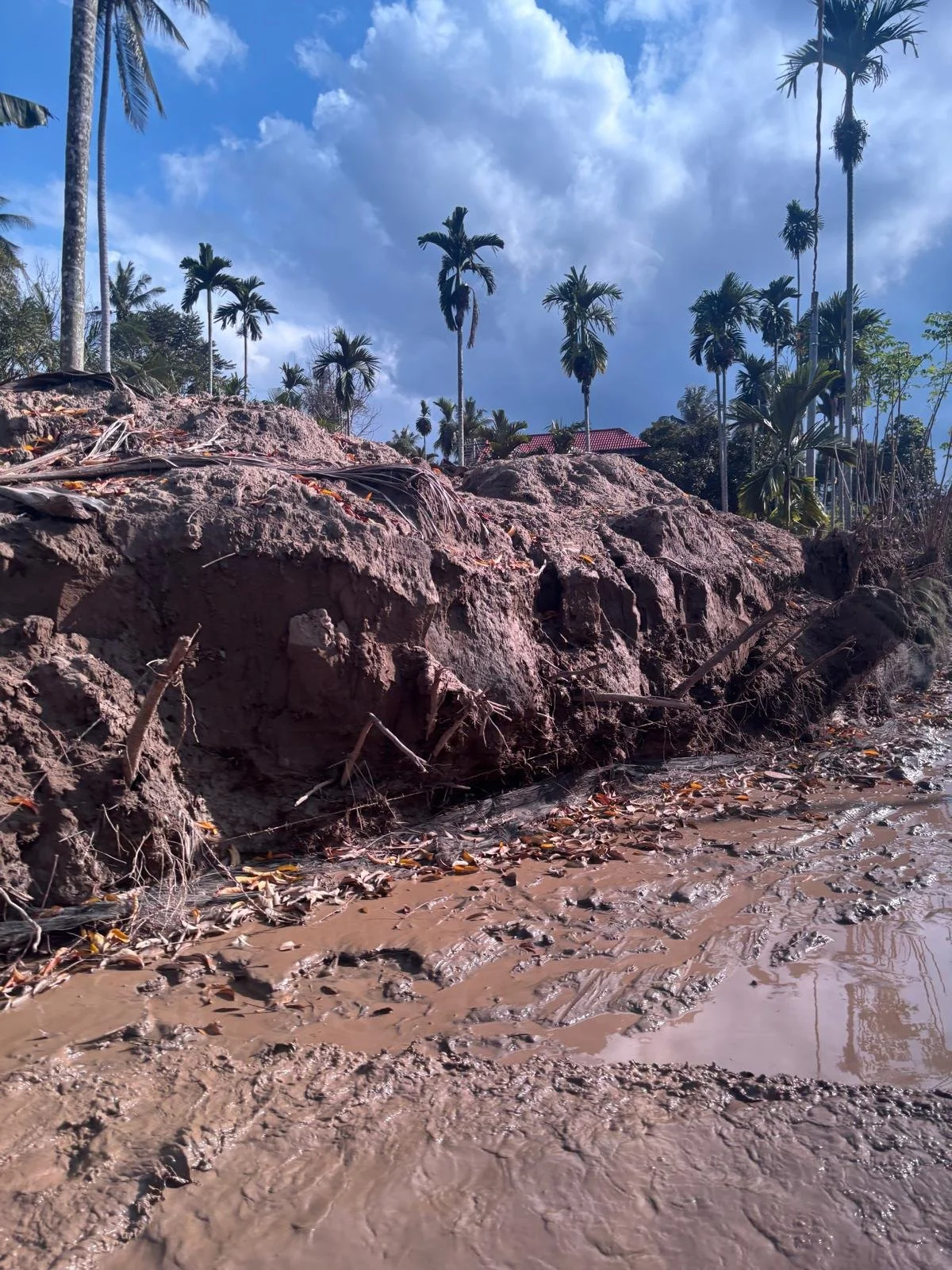
On the six hour drive back, our friends discussed the dynamics shaping this tragedy. This was not some freak accident of nature. The climate disaster I witnessed was heavily impacted by deforestation for the sake of palm oil plantations. Many have profited from the destruction of Aceh's environment, but aid money appears more scarce. Thus, the burden of building back up these communities has largely fallen on the shoulders of small, grassroots NGOs and everyday people who have been willing to give their time, energy, and money to bring much needed relief to these communities.
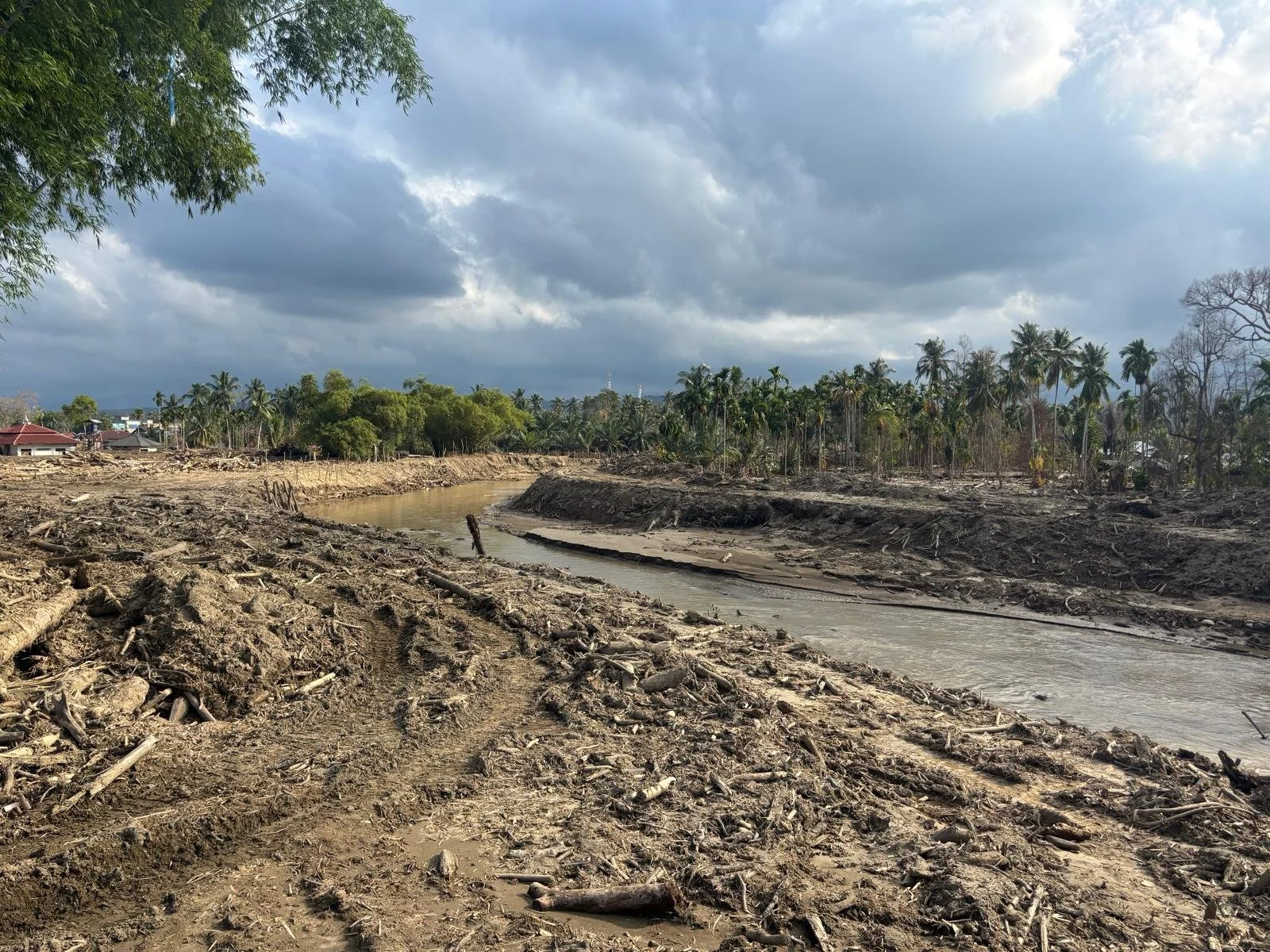
Aceh is a place characterized by its resilience. From colonialism, a protracted civil war, and natural disasters Aceh has been defined by its ability to rise above impossible adversity. I see it clearly in our friends, who continue to risk their own safety, pool their resources, donate their time, talents, and care towards helping complete strangers without a second thought.
If you would like to help support those who continue to be affected by these floods then please consider donating to YSAP (Yayasan Solidaritas Aksi Peduli), an organization that Yana and I have both worked with in the past. It is a grassroots NGO filled with some of the kindest, most inspiring, and compassionate people that we have had the pleasure of meeting during our time here. They are coordinating aid to small villages who have had their homes destroyed by the flooding and are living in temporary shelters. We have recently had the opportunity to accompany them on an aid distribution trip to a remote village, and were deeply moved by the tact and care they showed the people there. Anything that you are willing to give will go a long way to help support their crucial work of restoring dignity and stability to those who continue to feel the effects of this overlooked disaster.
BANK TRANSFER INFORMATION
(For International Transfers)
Bank Name : Bank Syariah Indonesia (BSI)
Account Name : Yayasan Solidaritas Aksi Peduli
Account Number : 7209501354
Branch Address : KC Merdeka 1, Lhokseumawe
Bank Address : Lhokseumawe, Aceh, Indonesia
SWIFT Code : BSMDIDJAXXX
Purpose of Transfer: Flood Donation for Aceh
Please use the above details for international bank transfers. Kindly send the transfer receipt/confirmation after completing the transaction to solidaritasaksipeduli@gmail.com
Thank you for your support and solidarity.