

Komorebi
By Sophie Qano ‘24, Hiroshima 2024-2026
Komorebi (木漏れ日) is an untranslatable Japanese word used to describe the dappled sunlight peeking through the canopy of a tree. It captures the feelings of tranquility, nostalgia and melancholic longing one has when reflecting on the beauty of the natural world.
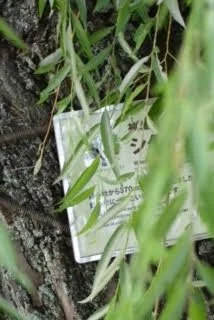
Weeping Willow (370 m)
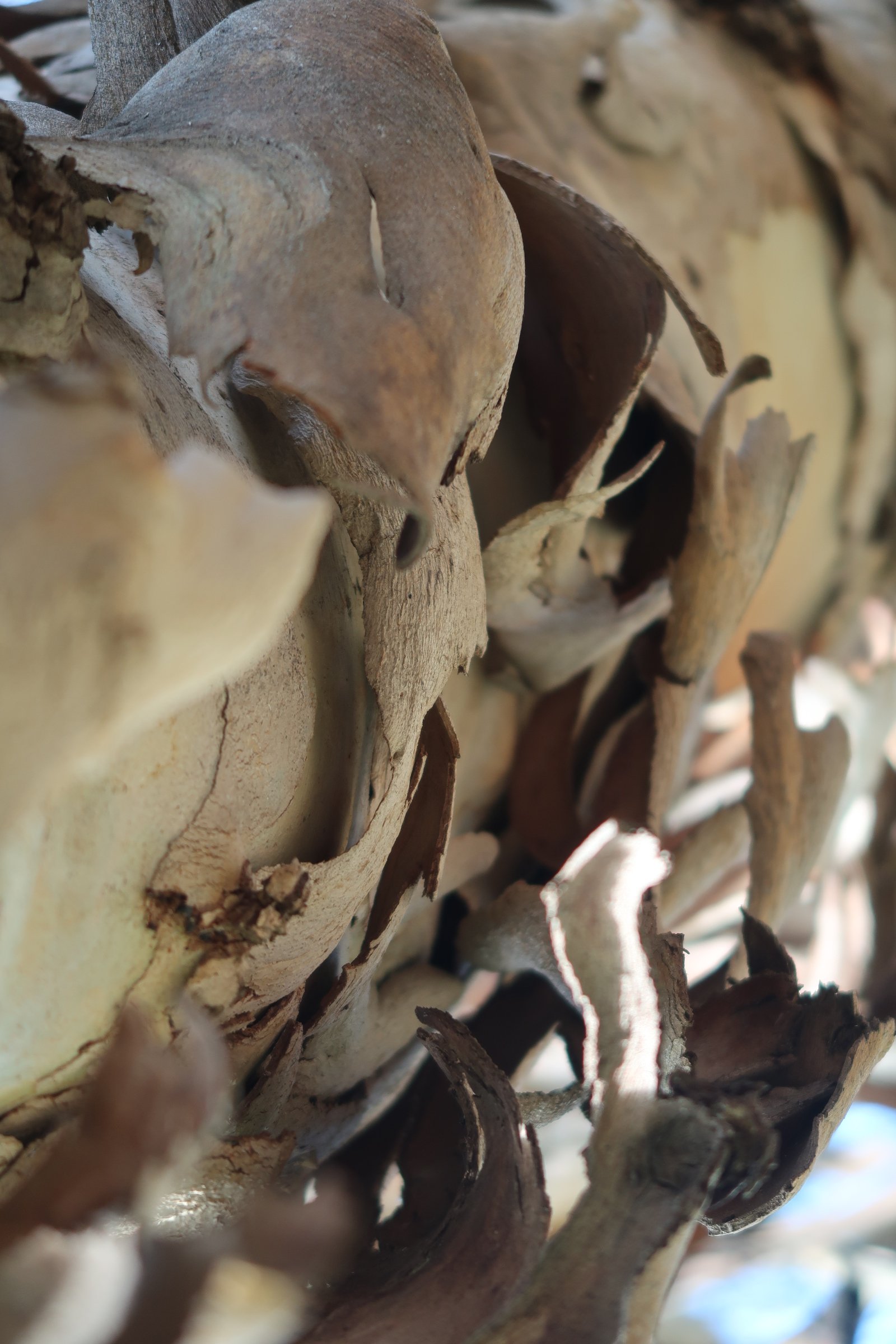
Eucalyptus (740 m)
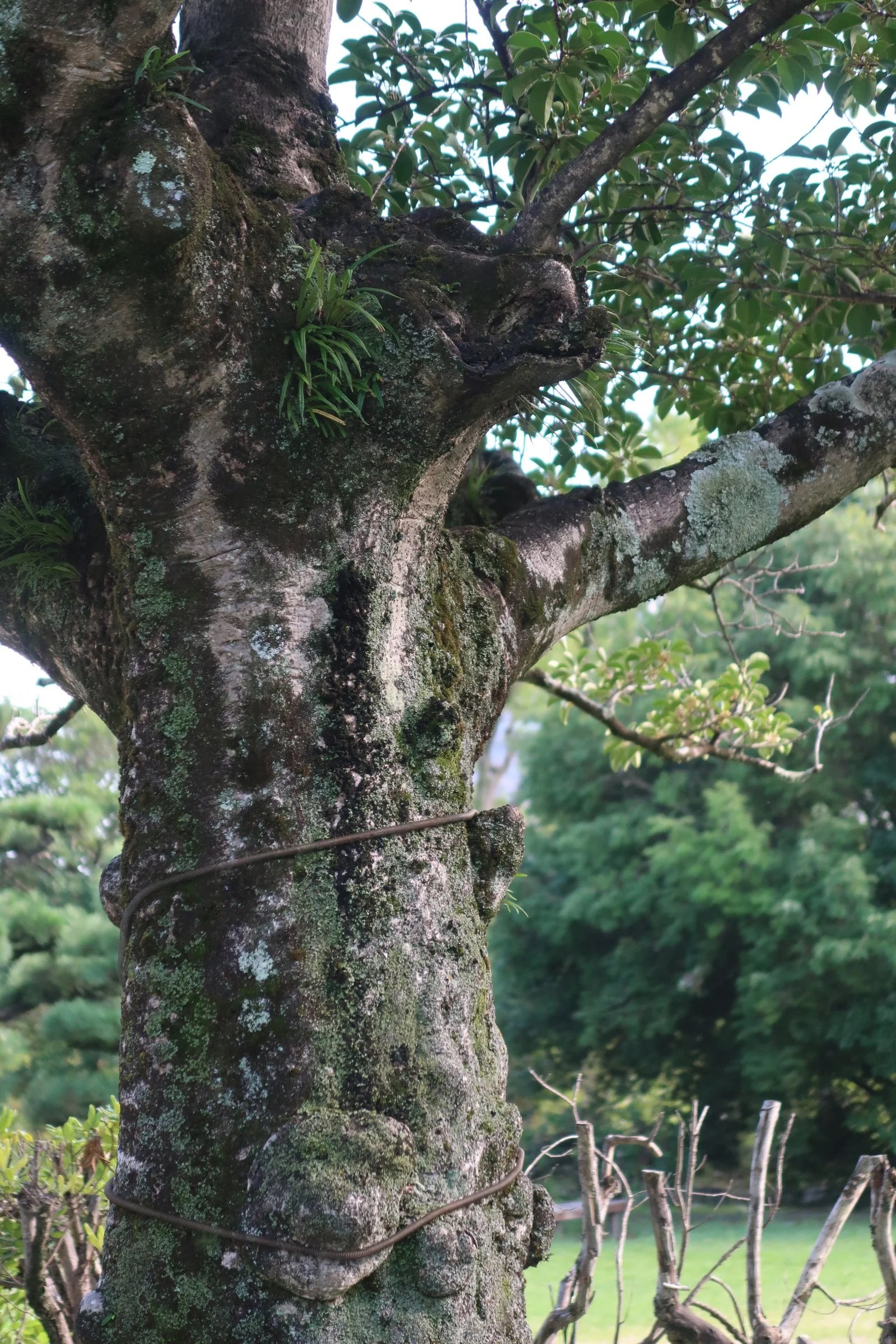
Kurogane Holly (910 m)
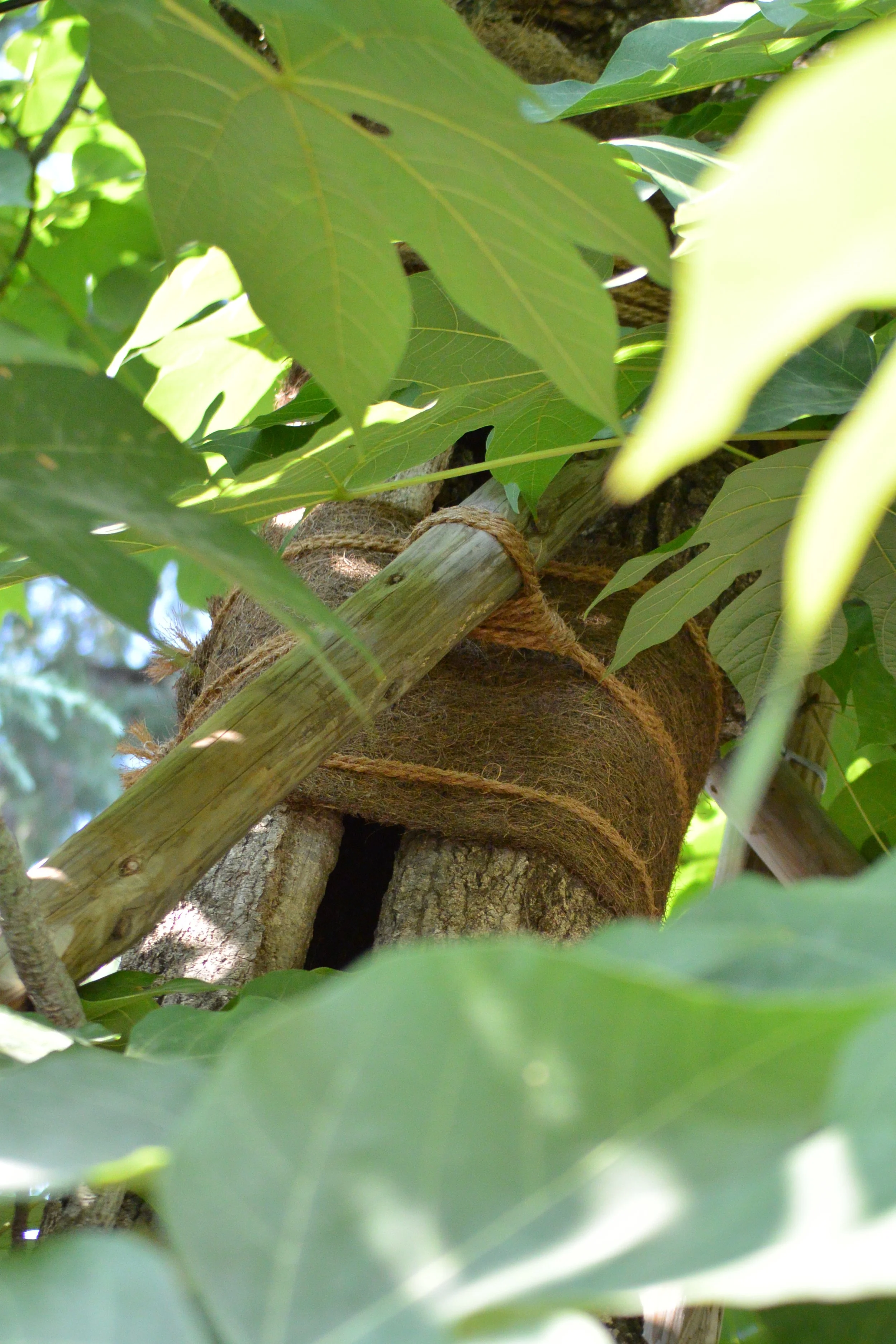
Chinese Parasol Tree (1300 m)
The first time I heard a Hiroshima atomic bomb survivor’s testimony, I was struck by how they retold their experience not through their own suffering but through their surroundings. They described the destroyed, black-and-white landscape, stripped of life. When they recalled their first happy memory since the bombing, it was the sight of green—oleanders and Chinese parasol trees recoloring the monochromatic remains. Their hope for the restoration of the city was rooted in the regrowth of plants, where scientists originally predicted nothing would be able to grow for 75 years. 2025 marked 80 years since the bombings of Hiroshima and Nagasaki, yet global spending on the development of nuclear weapons now exceeds $100 billion annually. Hiroshima’s recovery offers a powerful, abstract example of what could be achieved through a shift in cultural attitudes. According to the International Campaign to Abolish Nuclear Weapons (ICAN), if just one second of this spending in a year was reallocated, it could provide UNICEF with 16,994 measles, mumps, and rubella vaccines. One minute of spending could plant one million trees worldwide, and one hour of spending could convert 535 homes to be solar powered. Current spending illustrates where global priorities lie, but these figures and Hiroshima remind us of the potential for change if we redirect our focus to human connection, community building, and environmental restoration.
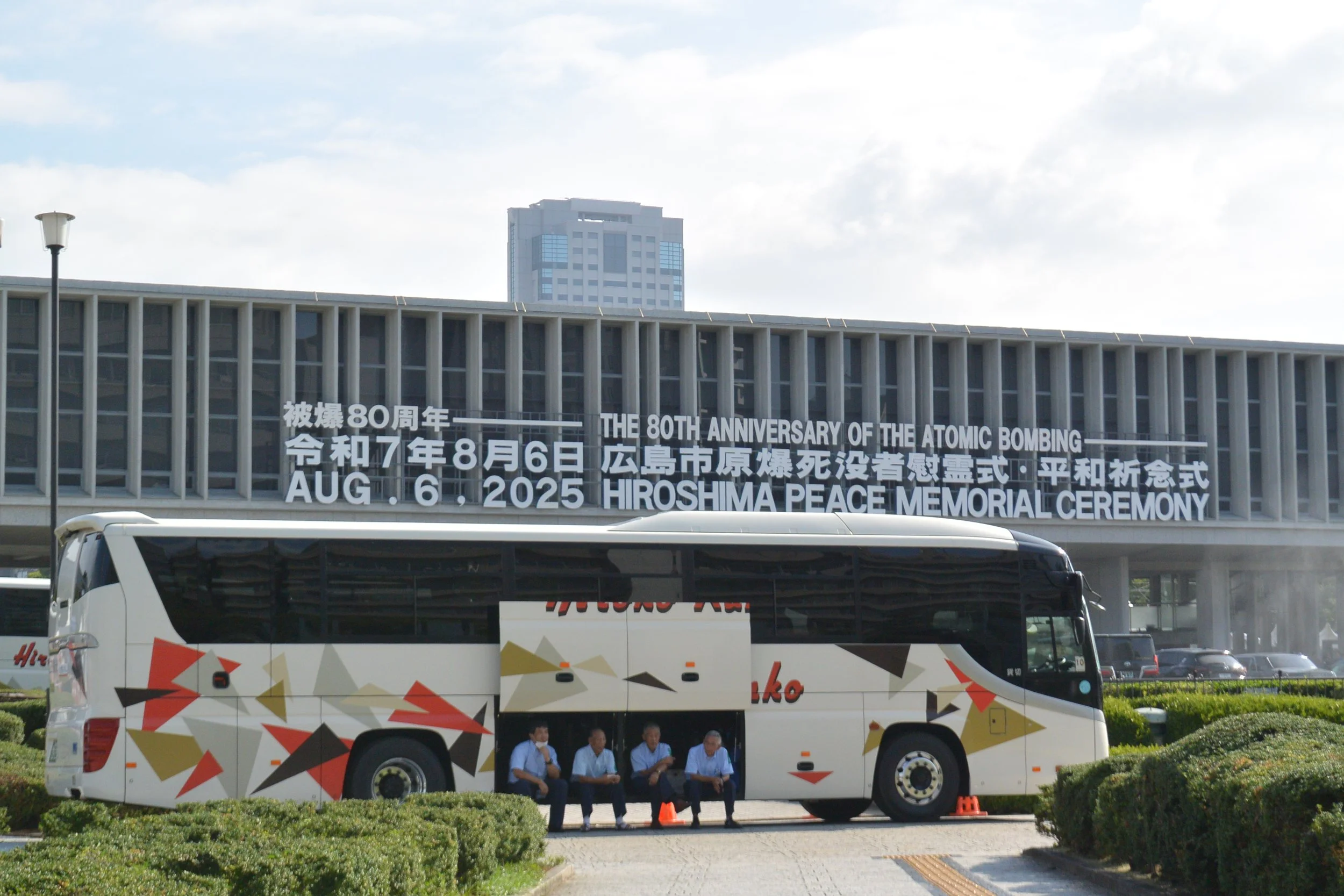
Drivers resting under shade, Peace Memorial Ceremony, 6 August 2025
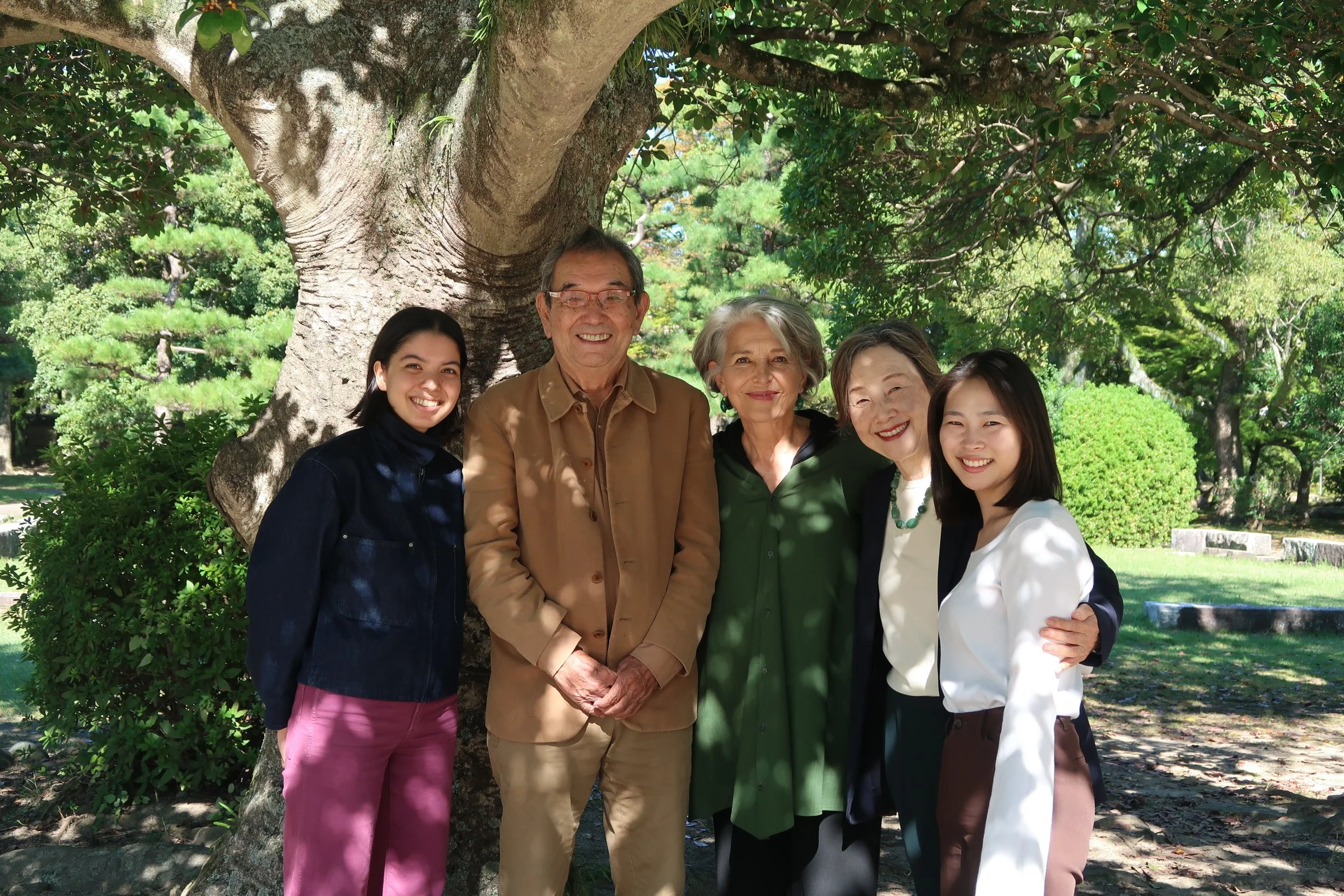
GLH Core Team: Sophie Qano, Chikara Horiguchi, Nassrine Azimi, Tomoko Watanabe, Mariko Kikuchi (Left to Right), October 2025
Through living in Hiroshima and working with the United Nations Institute for Training and Research (UNITAR), pro-bono initiative Green Legacy Hiroshima (GLH), and local NPO ANT-Hiroshima, I learned how organizational structures, natural narratives, and collective identity can each foster sustainability and peacebuilding. I observed how training programs can empower or limit local agency, how distributing the seeds of hibakujumoku (atomic bomb survivor trees) can unite communities across borders, and how a sense of place can mobilize local advocacy for change. These experiences and discussions with mentors and friends related to environment and peacebuilding inspired me to apply for graduate school, which I will be attending in the Fall!
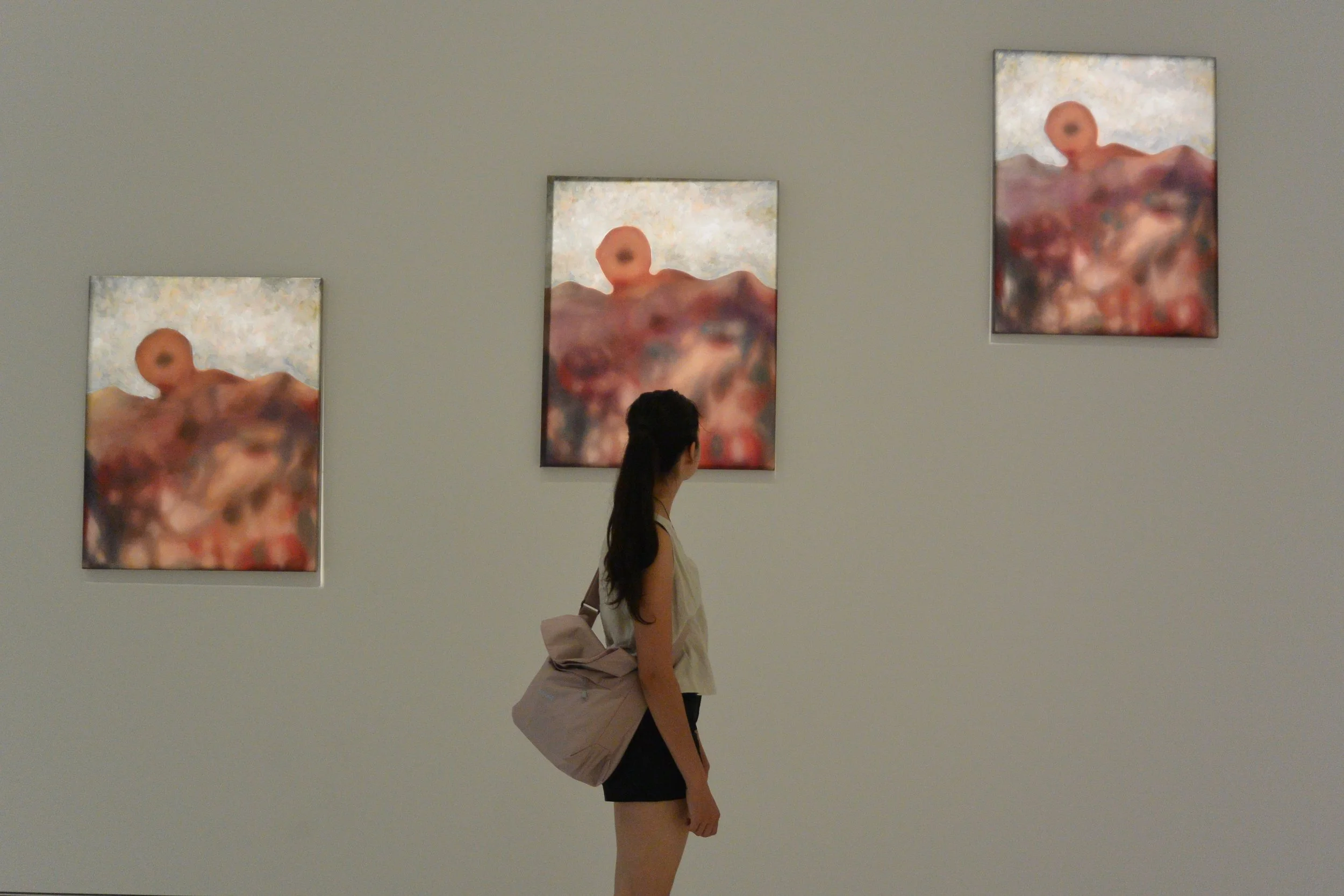
Simose Art Museum

San Frecce Soccer Game
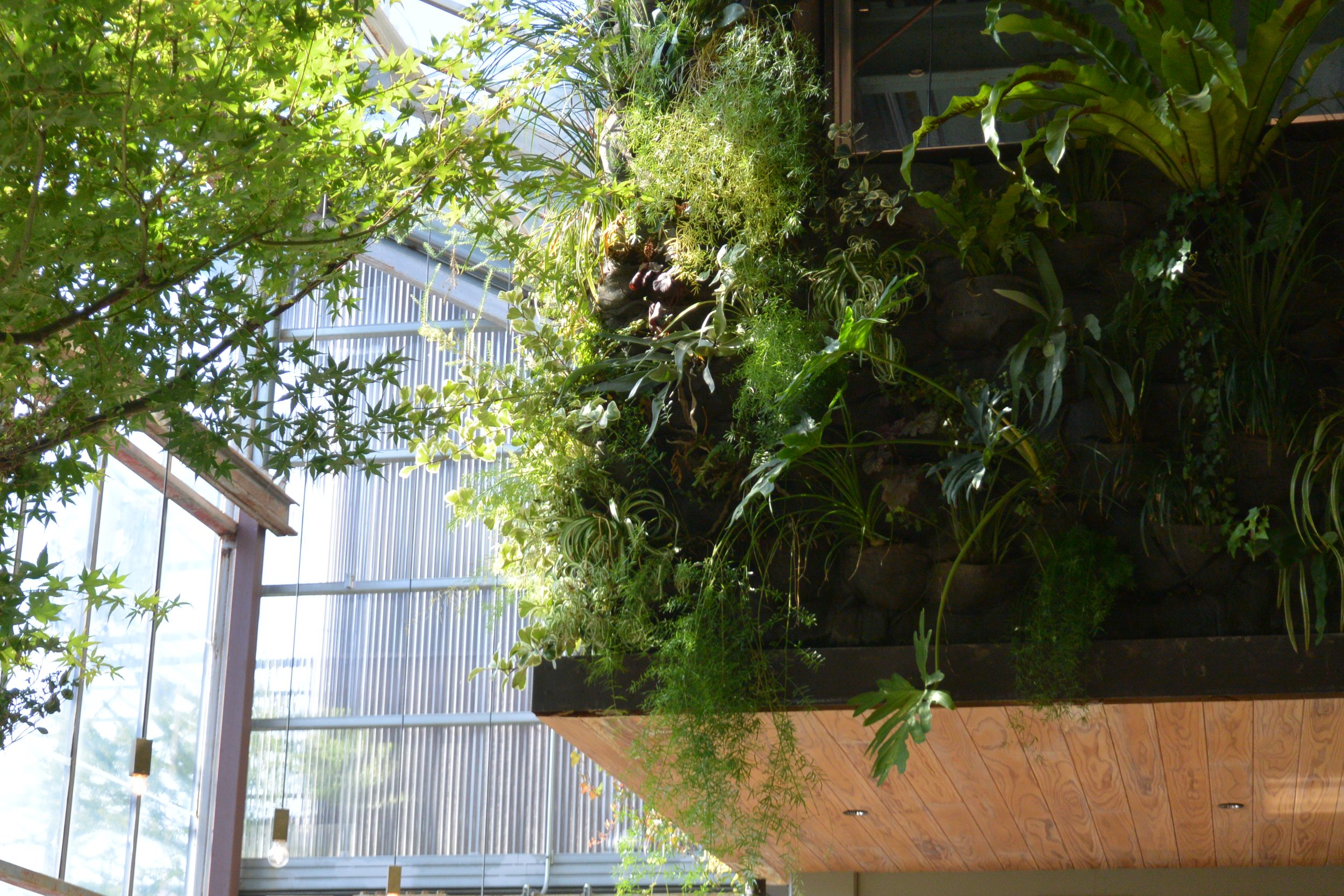
Mina Garten Cafe
Reflecting on my Shansi experience so far, I had to stop myself from thinking about the challenges and remind myself of the beauty I discovered over this past year and a half. At the beginning of the fellowship, I was fixated on external transformation: shifting environments, changing relationships, unexpected surprises. As the fellowship comes to an end, I have begun to see how internally, I was shaped by my environment and the people in it. One thing that the term komorebi captures so well is how nature and the appreciation for natural beauty is ingrained in Japanese culture. In addition to my work with the hibakujumoku, being surrounded by the mountains, rivers, and islands in Hiroshima spoiled me for living in a place with natural beauty. On any given day, I can walk or bike through the city and discover something new; this is one of the things I will miss the most when I leave. What stands out to me about Hiroshima is how seamlessly nature is integrated into the urban environment. When I first arrived, my goal was to explore all the museums and cafes the city had to offer. Now, I seek out hidden and quiet reading spots or urban green spaces. The city has taught me to slow down and appreciate the small moments of peace in daily life.

Ho Chi Minh City

Ho Chi Minh City
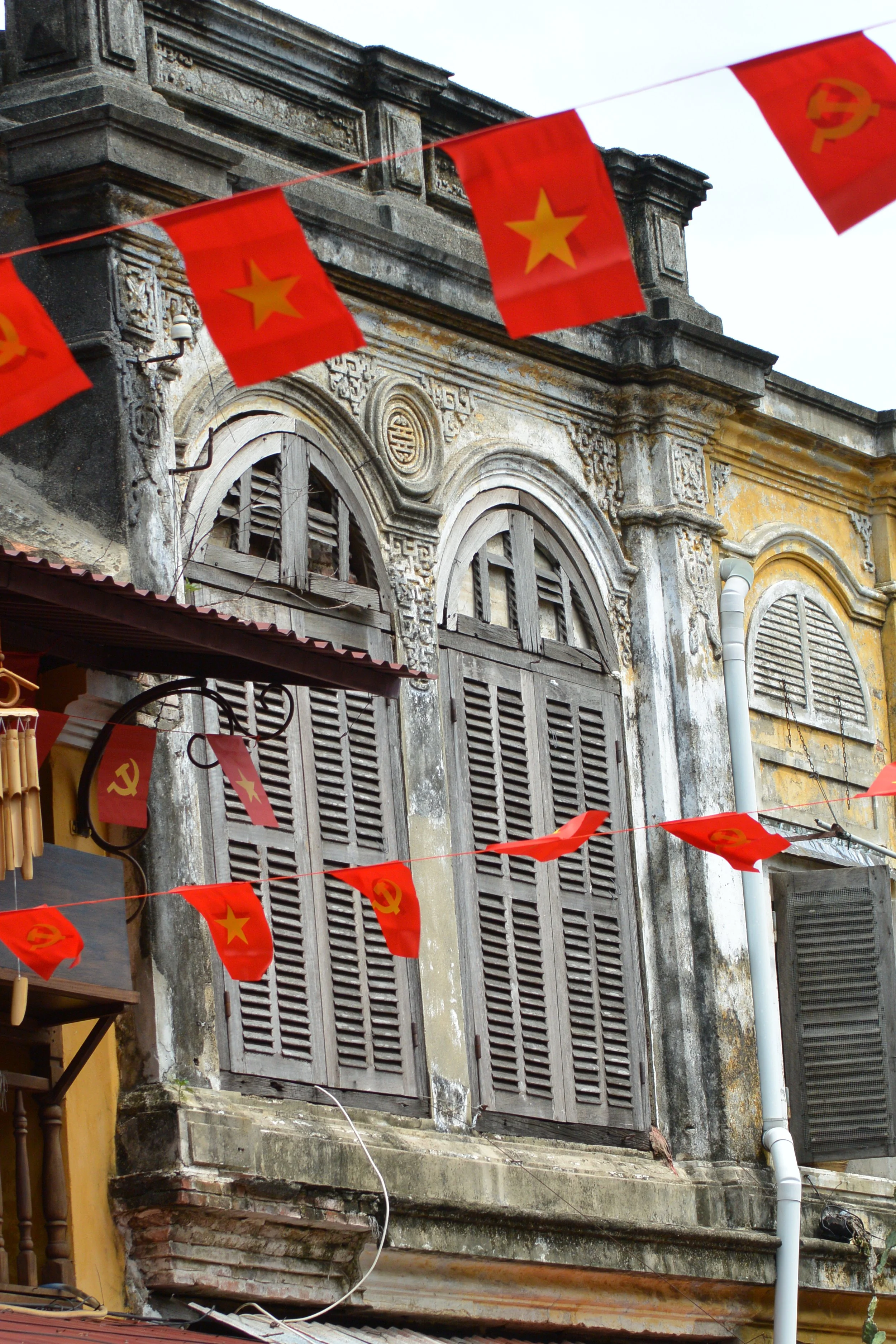
Hoi An
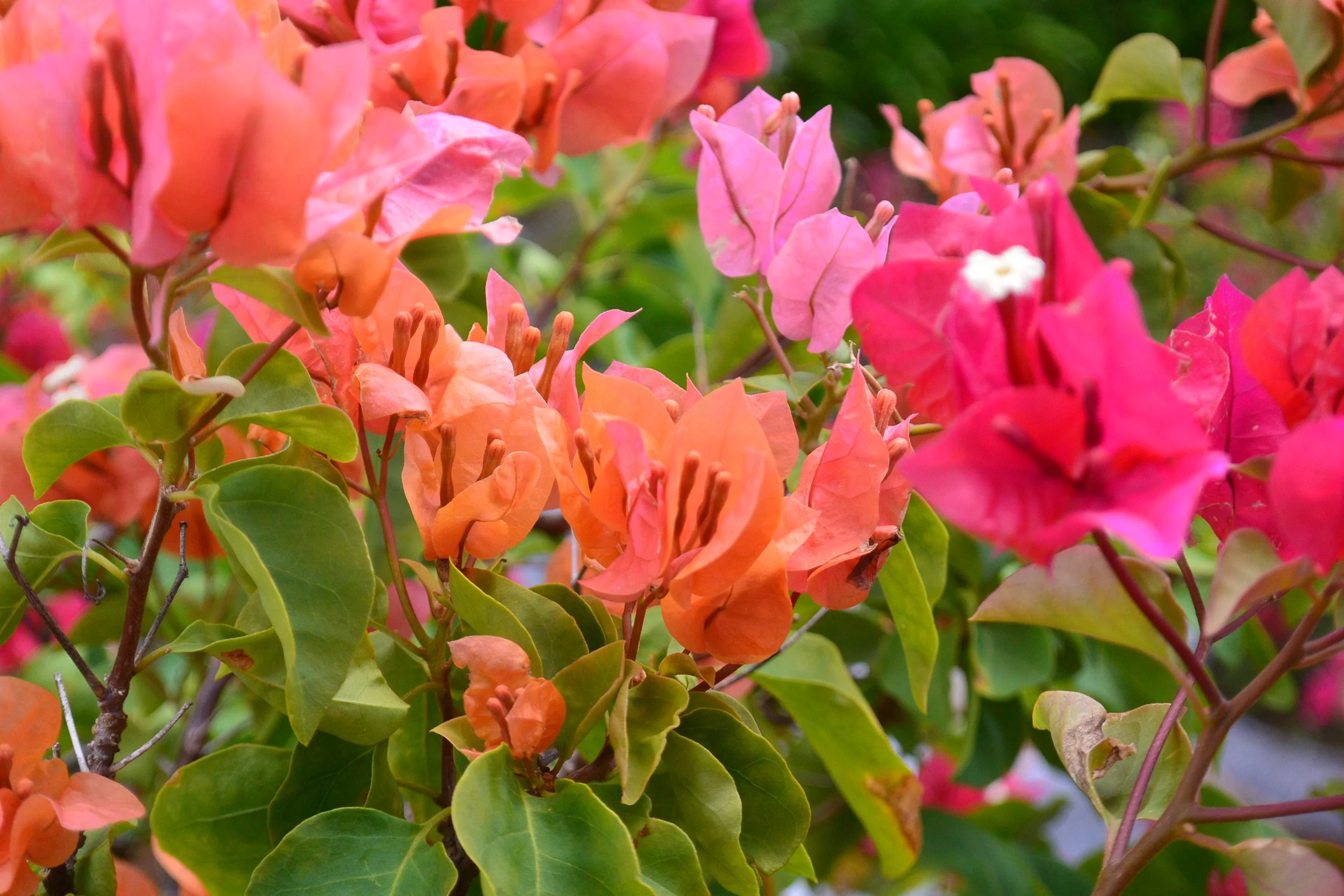
Bougainvillea, Hoi An
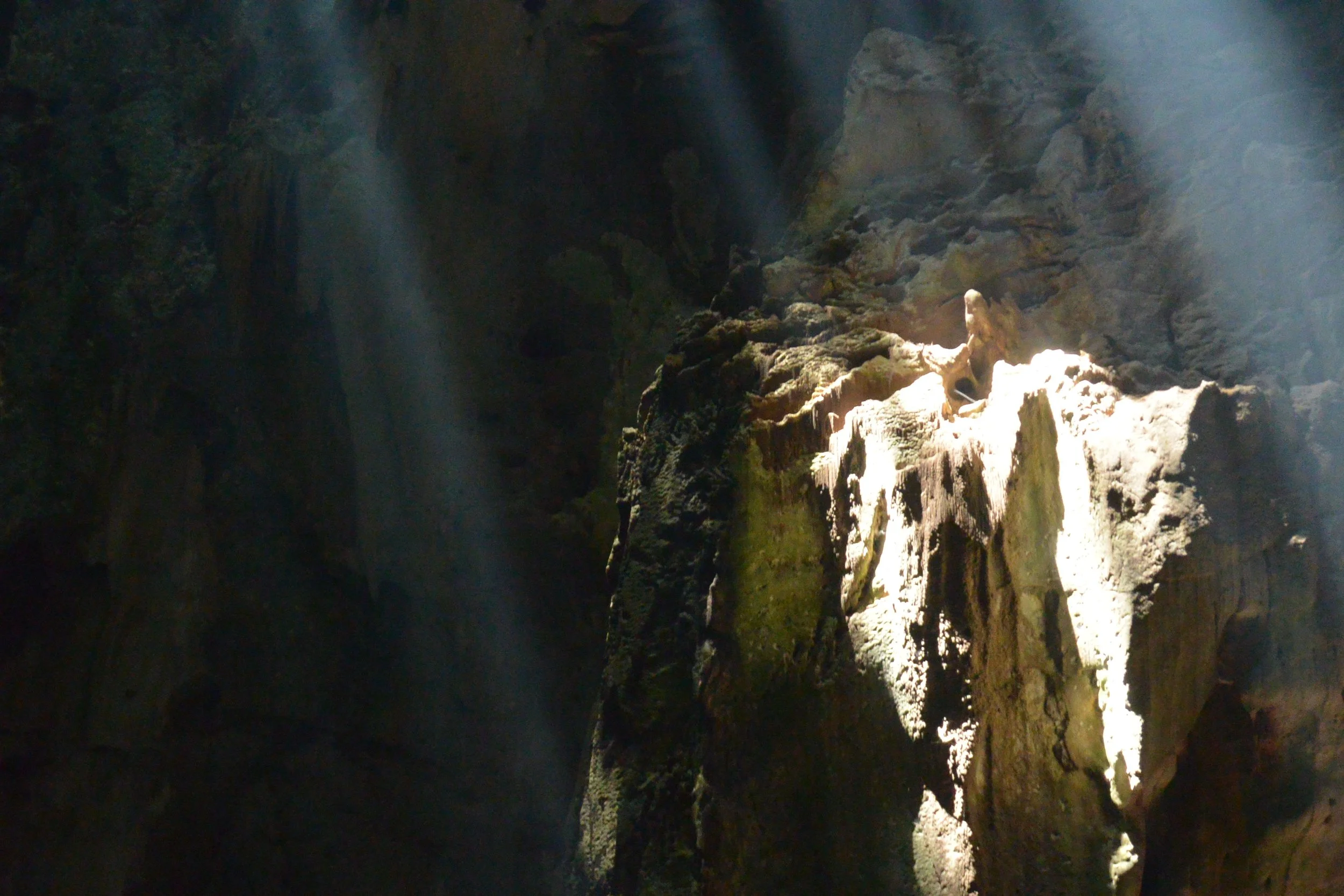
Marble Mountains, Da Nang
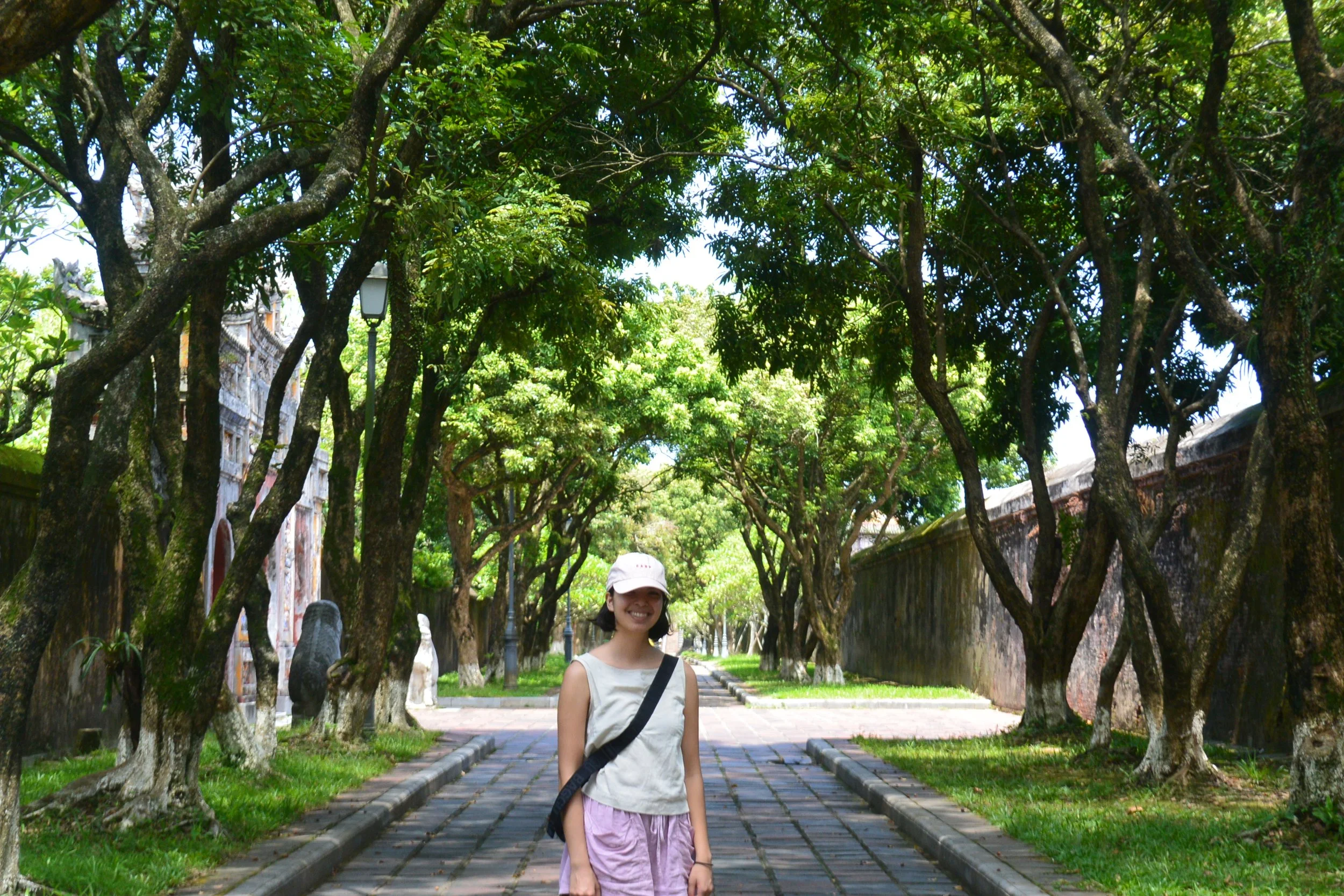
Hue

Ha Long Bay
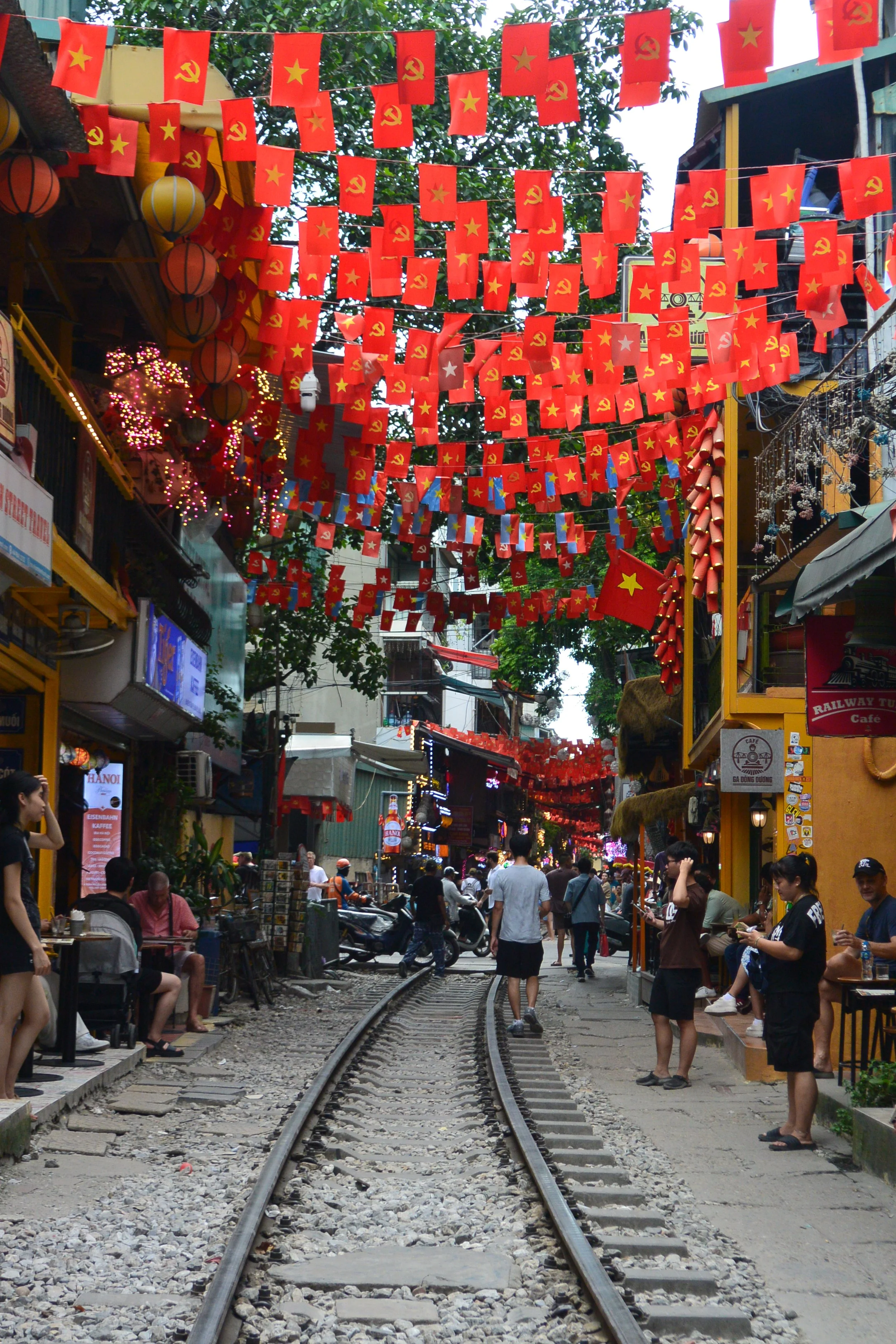
Ha Noi
Last summer, I also had the opportunity to travel to Vietnam. I went from the south to the north of the country, meeting my friend, Tuyen, in her hometown near Ho Chi Minh City. We ate our way through Ho Chi Minh, Hoi An, Da Nang, and Hue. Ha Long Bay and Hanoi were the last stops in my trip. Aside from the incredible food, the most memorable part of the trip was how stunning the country was. Visiting Vietnam during its independence week, I was moved by how the country’s landscapes carry both a vibrant cultural memory and a post-conflict memory shaped by its complex, violent history. This realization during a time of celebration reminded me of my work in Hiroshima, where nature, collective identity and memory intertwine. Before I even left, the feelings evoked by komorebi surfaced. I am grateful for the opportunity to explore Japan and countries around Asia during the Shansi Fellowship, even while working full-time.
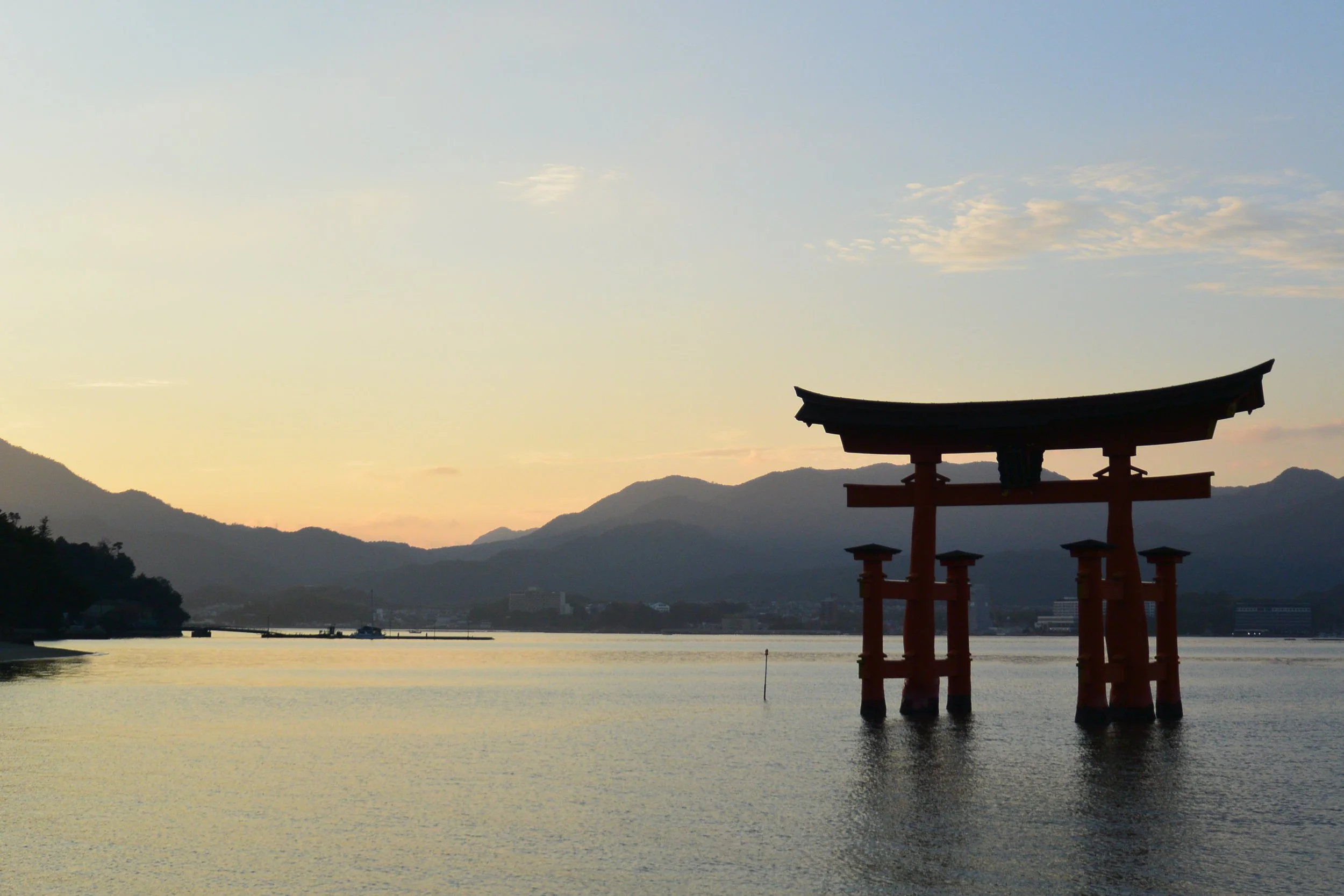
View of Itsukushima Shrine Torii after hike with Shansi Fellows
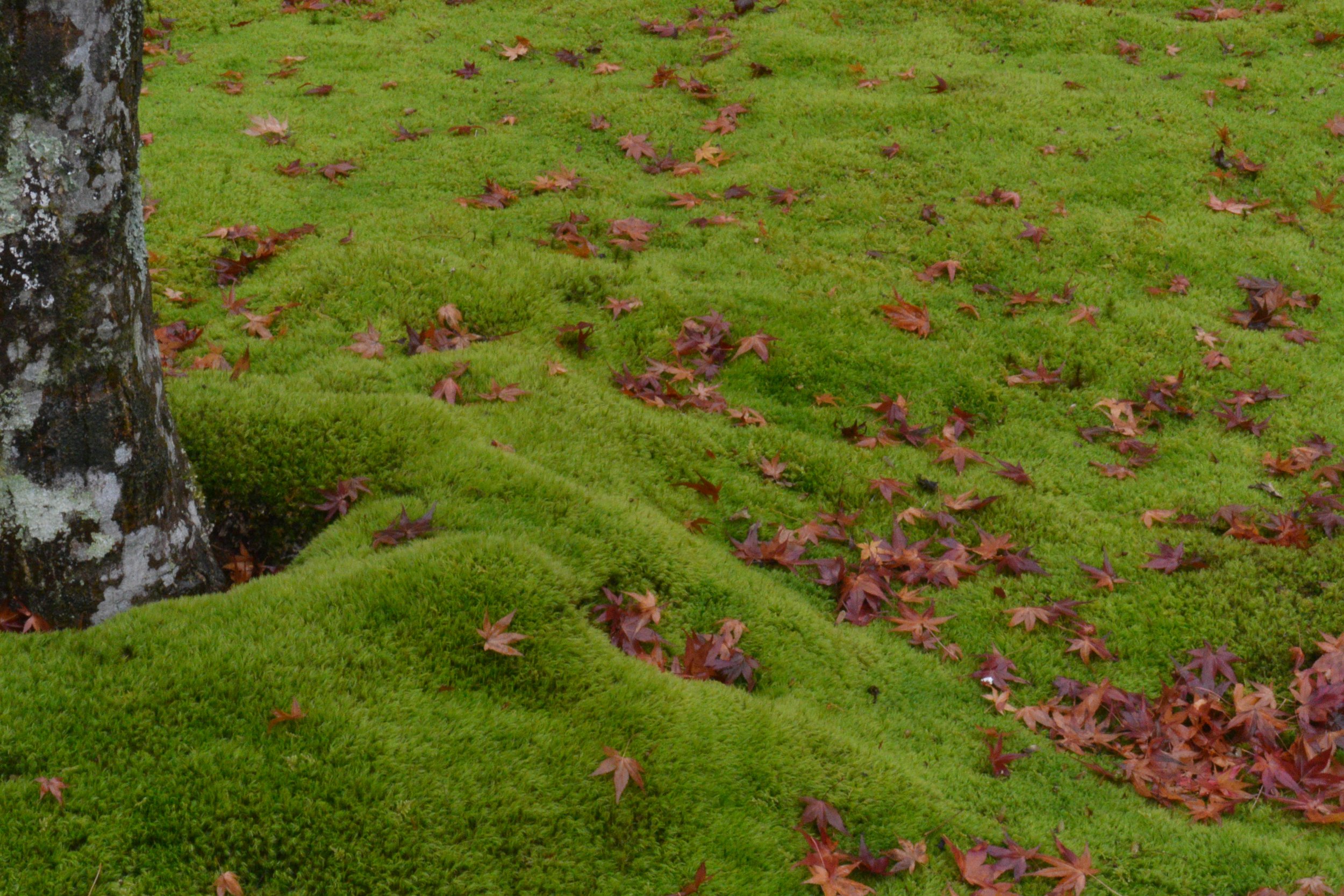
Saihoji (Kokedera) Temple, Kyoto
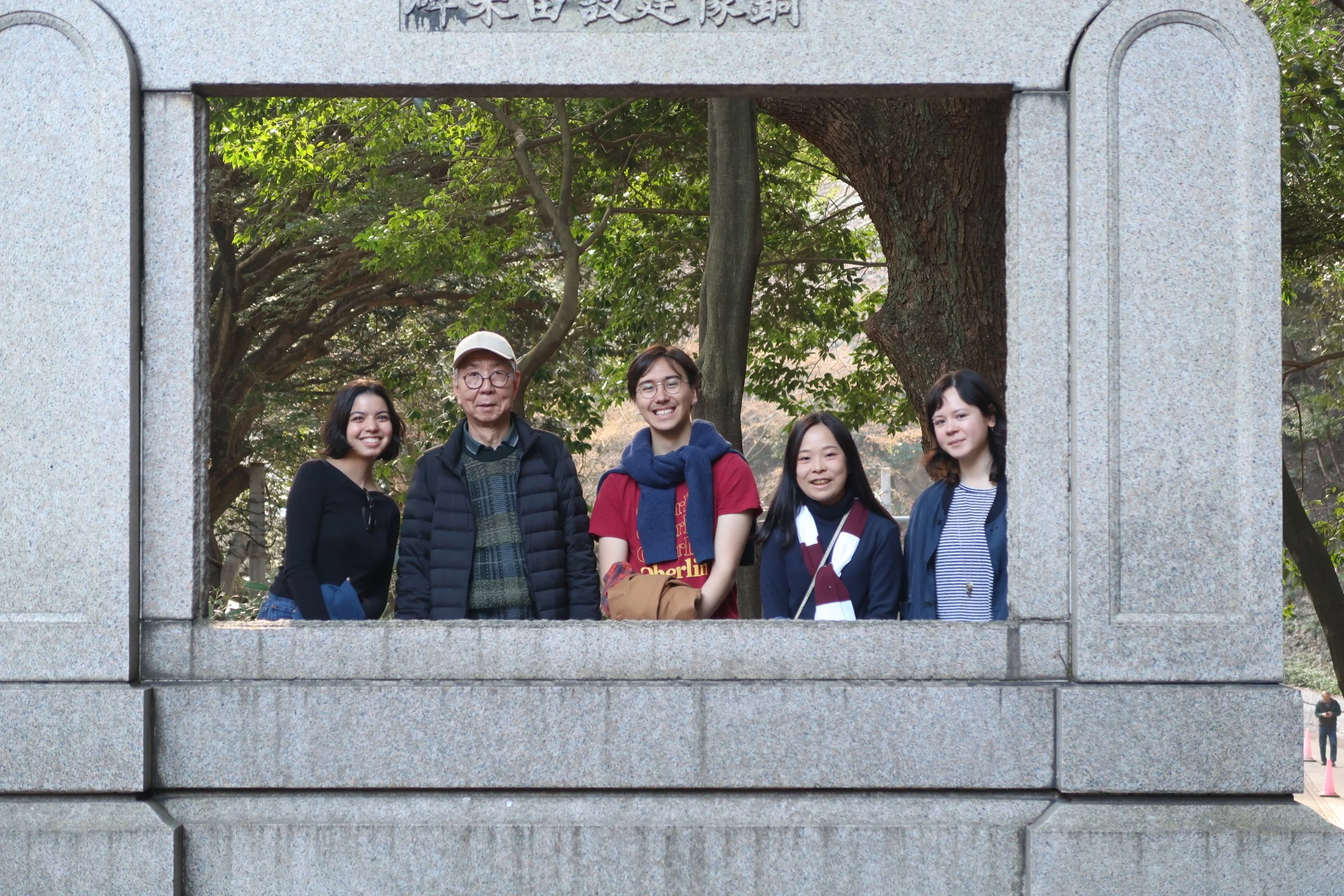
Tour of Hiyajima with Shansi and Oberlin friends
I’ll miss the wonderful friends and mentors I slowly made over the past two years. I’ll miss the kimchi lady in the SOGO department store basement, and my go-to shoe repairmen at Mister Minit. I’ll miss the big smiles and pastry samples from Lucky Bakery. But most of all, I’ll miss the unique 雰囲気 (fun’iki) of Hiroshima—the warm, loving and familiar ambiance of the people, the place and the city’s history.
In my previous blog, koyo captured change, feelings of transition and impermanence that marked my early months here. Komorebi, however, is more about stillness and being present in the moment. These experiences have taught me that growth isn’t always marked by movement; sometimes, it’s being grounded enough to pause and notice the quiet but rich details that surround us.
Every morning, I wake up to a thin strip of light shimmering on my ceiling, caused by the morning sun reflecting off the river outside my window. While it may not be komorebi, it brings me the same sense of calm and serenity that Hiroshima has not only given me, but taught me to stop and appreciate.